
Overview
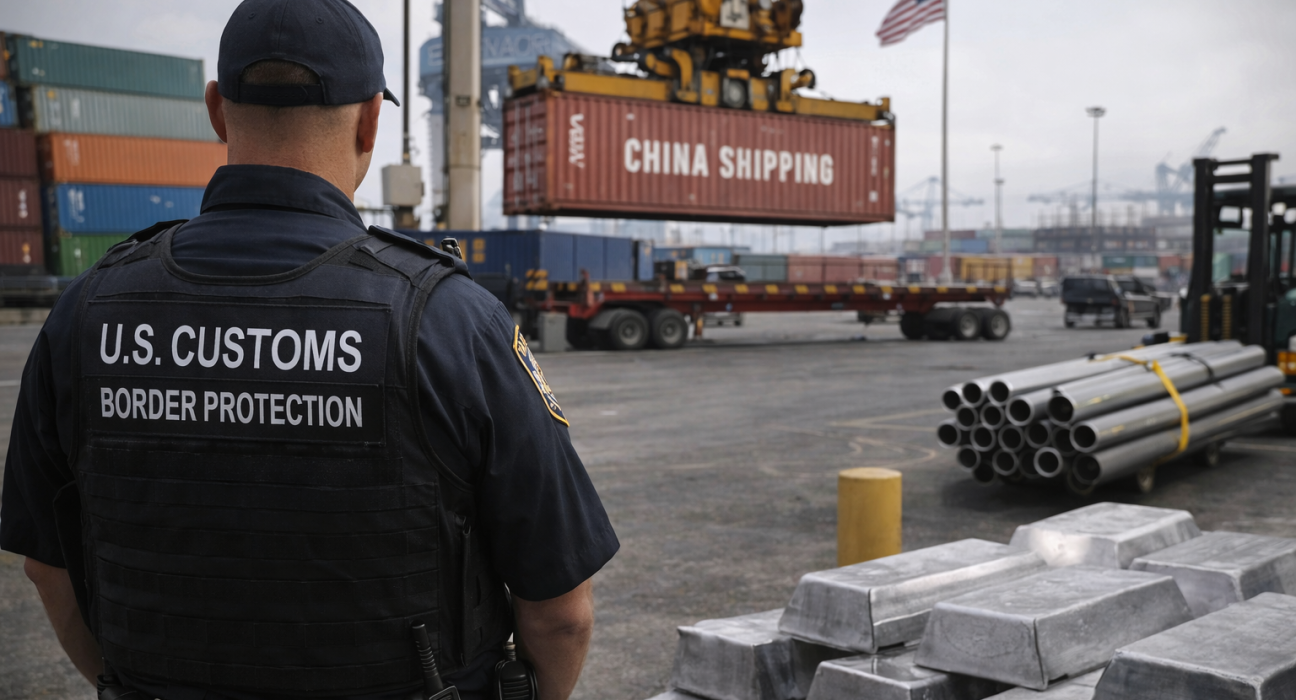
The U.S. Customs and Border Protection (CBP) agency announced that it will stop collecting tariffs imposed under the International Emergency Economic Powers Act (IEEPA) beginning at 12:01 a.m. EST on Tuesday, following a U.S. Supreme Court ruling that declared these duties illegal.
These tariffs had been a cornerstone of expansive trade policy enacted by the Trump administration. They were initially levied under national emergency declarations aimed at addressing trade imbalances and alleged predatory practices by major trading partners.
In deciding Learning Resources, Inc. v. Trump, the Supreme Court’s majority held that IEEPA does not authorize the president to impose tariffs, as tariff power constitutionally lies with Congress.
Despite the ruling, CBP continued collecting the duties at ports over the weekend before issuing its announcement. The deactivation of all IEEPA-related tariff codes was communicated to shippers via the agency’s Cargo Systems Messaging Service.
In a rapid policy response, the administration introduced a new 15% global tariff under Section 122 of the Trade Act of 1974, a distinct statutory basis, which is set to replace the invalidated IEEPA duties.
The tariff changes do not affect other current levies, including those imposed under Section 232 (national security) or Section 301 (unfair trade practices).
Legal and Fiscal Impact
The Supreme Court decision jeopardizes an estimated $175 billion in revenue generated from the now-invalid tariffs, according to a Penn-Wharton Budget Model estimate. These tariffs were producing more than $500 million per day in receipts.
While the Court invalidated the tariffs’ legal basis, it did not provide guidance on how refunds should be handled, leaving it up to lower courts and future administrative procedures. Litigation over reimbursement is expected to be extensive.
Already, 1,800+ lawsuits seeking tariff refunds have been filed in the U.S. Court of International Trade, and legal experts predict a surge in such claims.
Political Context
Congressional Democrats have sought to leverage the ruling politically. A group of Senate Democrats introduced legislation aimed at requiring refunds of the unlawfully collected tariff revenue, potentially with interest, and prioritizing small businesses. However, passage is uncertain due to partisan divides and the political calculus ahead of midterm elections.
The Trump administration has defended its trade agenda, describing the tariffs as successful revenue generators and tools to reshape trade relationships. It continues to point to alternative statutory mechanisms for imposing import duties.
Global Market Reactions
Financial markets reacted negatively to the policy turbulence. Major U.S. stock indices experienced sharp declines, while commodity and safe-haven assets saw gains amid uncertainty about future trade policies.
Major trading partners — including the European Union, United Kingdom, China, India and others — have expressed concern or sought clarification on how existing and future trade arrangements will be affected. Some negotiations and votes on trade deals were postponed as a result.
Pros – Potential Benefits and Positive Effects
• Reinforces Constitutional Limits
The Supreme Court ruling reaffirms that the power to tax and set tariffs belongs to Congress, not the executive branch, reinforcing a constitutional balance.
• Legal Clarification Encourages Stability
A definitive legal decision reduces ambiguity around emergency authority, which may strengthen legal norms and provide clearer guidance for future executive action.
• Benefit to Importers and Consumers if Refunds Issue
Refunds, if issued, could return funds to businesses and consumers, potentially lowering product costs or bolstering investment.
• Markets May Adjust to More Predictable Statutory Frameworks
Moving trade policy to clearer statutes (like the Trade Act) may stabilize markets over the long term.
Cons – Risks and Negative Consequences
• Immediate Fiscal Uncertainty
The potential loss of $175 billion in revenue presents budget challenges and could affect federal fiscal planning.
• Legal Complexity and Litigation Costs
Refund processing and litigation may burden courts and importers alike, with protracted disputes and administrative costs.
• Market Volatility
Short-term volatility in equity, currency and commodity markets reflects investor uncertainty about trade policy and economic growth.
• Diplomatic Strain
Confusion over U.S. trade policy may strain relations with partners and delay ongoing negotiations.
Future Projections
• Ongoing Refund Litigation and Administrative Guidance
Expect years of legal proceedings over tariff refunds and claims, potentially shaping importers’ financial outcomes and administrative procedures.
• Trade Policy Will Shift to Statutory Tools
With IEEPA off the table, future tariffs and trade actions are likely to be grounded in explicit Congressional authority such as Section 122 or 301 processes.
• Congressional and Political Impacts
Debate over tariff refunds and trade legislation could become a significant issue in midterm elections and influence future legislative priorities.
• International Trade Negotiations
Partners may push for binding, stable trade frameworks with the U.S. to reduce reliance on emergency tariffs, potentially reshaping bilateral and multilateral agreements.
Sources & Links
Primary Article
- Reuters: U.S. Customs agency to stop collecting tariffs deemed illegal by Supreme Court — https://www.reuters.com/world/us/us-customs-agency-stop-collecting-tariffs-deemed-illegal-by-supreme-court-2026-02-23/




Leave feedback about this
You must be logged in to post a comment.