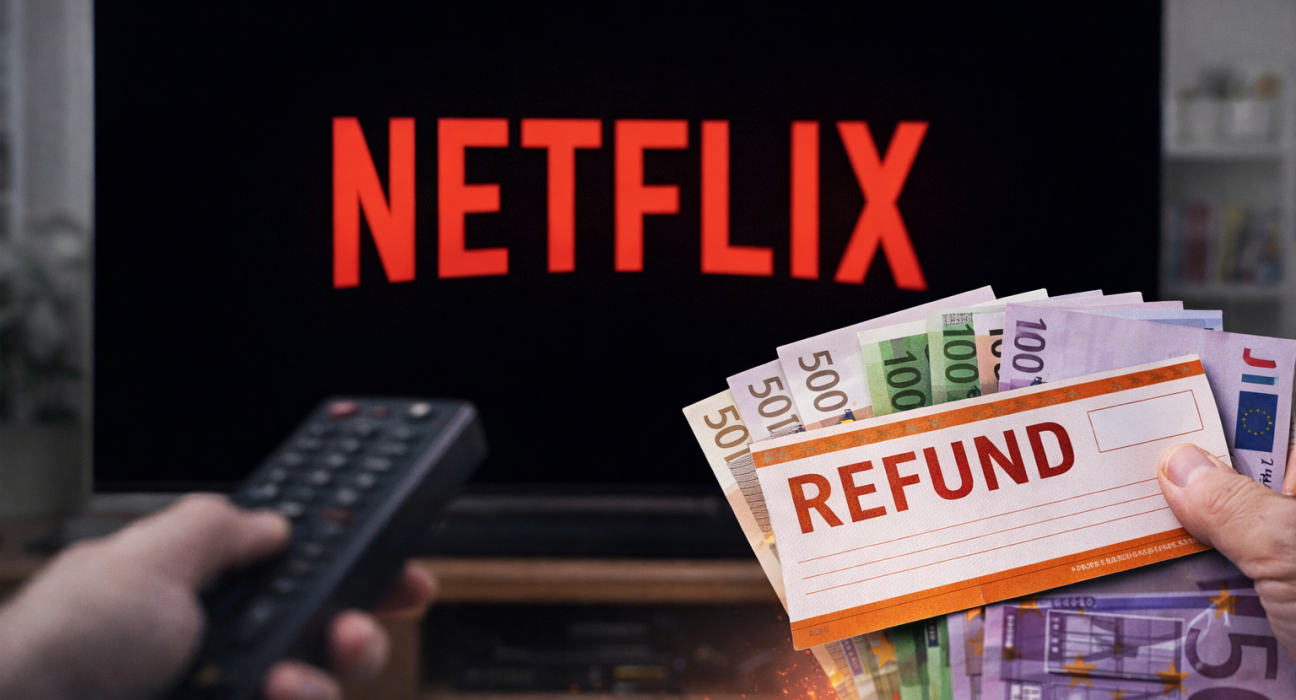
A recent legal development reported by Il Sole 24 Ore suggests that subscription price increases by Netflix may be deemed unlawful under certain European consumer protection standards, potentially entitling affected customers to refunds of up to €500.
The case highlights a growing tension between subscription-based business models and evolving consumer rights regulations—particularly in the European Union, where transparency and consent in pricing are strictly regulated.
What the Ruling Suggests
According to the report, a court or regulatory body in Europe determined that Netflix may have:
- Increased subscription prices without sufficient user consent
- Failed to clearly communicate contractual changes
- Violated consumer protection rules governing unilateral price adjustments
As a result, customers who were affected by these pricing changes could be eligible for financial compensation, with some refunds estimated to reach up to €500 depending on subscription duration and price increases.
Why Price Increases Are Being Challenged
The legal argument centers on how subscription services modify pricing after a user has already agreed to terms.
Under European consumer law:
- Companies must provide clear and transparent notice of price changes
- Users must be given the option to accept or cancel
- Terms cannot be changed unilaterally in a way that disadvantages the consumer
If these conditions are not met, courts may consider such changes invalid.
Broader Context: Subscription Economy Under Scrutiny
The Netflix case reflects a larger trend across the digital economy.
Subscription-based services—ranging from streaming to software to fitness apps—often rely on:
- Automatic renewals
- Periodic price increases
- Bundled service tiers
Regulators are increasingly examining whether these practices:
- Provide adequate transparency
- Respect user consent
- Avoid “dark patterns” that make cancellation difficult
The European Union has been particularly active in enforcing these standards through consumer protection directives.
Additional Industry Context
Other jurisdictions have also begun scrutinizing subscription pricing practices:
- The European Commission has introduced rules requiring clear opt-in consent for contract changes
- Consumer watchdogs in multiple countries have investigated streaming platforms
- Legal challenges have emerged around auto-renewal policies and hidden fees
This case could be part of a broader regulatory wave affecting digital subscription businesses globally.
Financial and Business Implications
For Netflix and similar platforms, the ruling could have several consequences:
1. Refund Liability
If upheld broadly, companies may face large-scale refund obligations, especially if many users were affected.
2. Contractual Changes
Streaming services may need to revise their terms to ensure:
- Explicit consent for price increases
- More transparent communication
- Easier opt-out processes
3. Revenue Model Adjustments
Frequent price increases have been a key driver of revenue growth for streaming platforms. Legal limits on this practice could:
- Slow revenue expansion
- Encourage alternative monetization strategies (e.g., ads, bundles)
Consumer Impact
For users, the ruling could mean:
- Potential eligibility for refunds
- Stronger protections against unexpected price hikes
- Greater control over subscription terms
However, actual compensation would depend on:
- Local implementation of the ruling
- Individual user circumstances
- Whether claims are filed successfully
Pros (Consumer and Regulatory Benefits)
• Stronger consumer protections: Reinforces transparency and consent requirements
• Financial restitution: Potential refunds for affected users
• Improved industry standards: Encourages clearer communication across subscription services
• Accountability: Holds companies responsible for contract changes
Cons (Business and Market Concerns)
• Financial impact on companies: Refunds and compliance costs could be significant
• Higher operational complexity: Stricter rules may increase administrative burden
• Potential price adjustments elsewhere: Companies may offset losses through other pricing strategies
• Legal uncertainty: Different countries may interpret rules differently
Future Projections
1. Expansion of Legal Challenges
Other subscription services may face similar lawsuits or regulatory scrutiny.
2. Industry-Wide Policy Changes
Streaming platforms may adopt standardized practices for price changes and user consent.
3. Increased Consumer Awareness
Users may become more attentive to subscription terms and pricing updates.
4. Regulatory Strengthening
Governments may introduce clearer rules around subscription models and digital contracts.
5. Shift in Streaming Economics
Platforms may explore alternative revenue streams, such as advertising tiers or bundled services.
Conclusion
The Netflix pricing case represents a significant moment in the evolving relationship between digital platforms and consumer rights. While subscription models have become a cornerstone of the modern economy, this ruling underscores the importance of transparency and user consent in maintaining trust.
As legal frameworks continue to adapt to digital business models, companies and consumers alike may need to adjust expectations around pricing, contracts, and accountability.
References
Primary Source
- Il Sole 24 Ore – Netflix price increases ruled unlawful, refunds possible
https://en.ilsole24ore.com/art/netflix-subscription-price-increases-unlawful-refunds-up-to-eur-500-customers-AIUHzWKC
Additional Context Sources
- European Union consumer protection directives
- Reports on subscription economy regulation
- Coverage of streaming industry pricing strategies