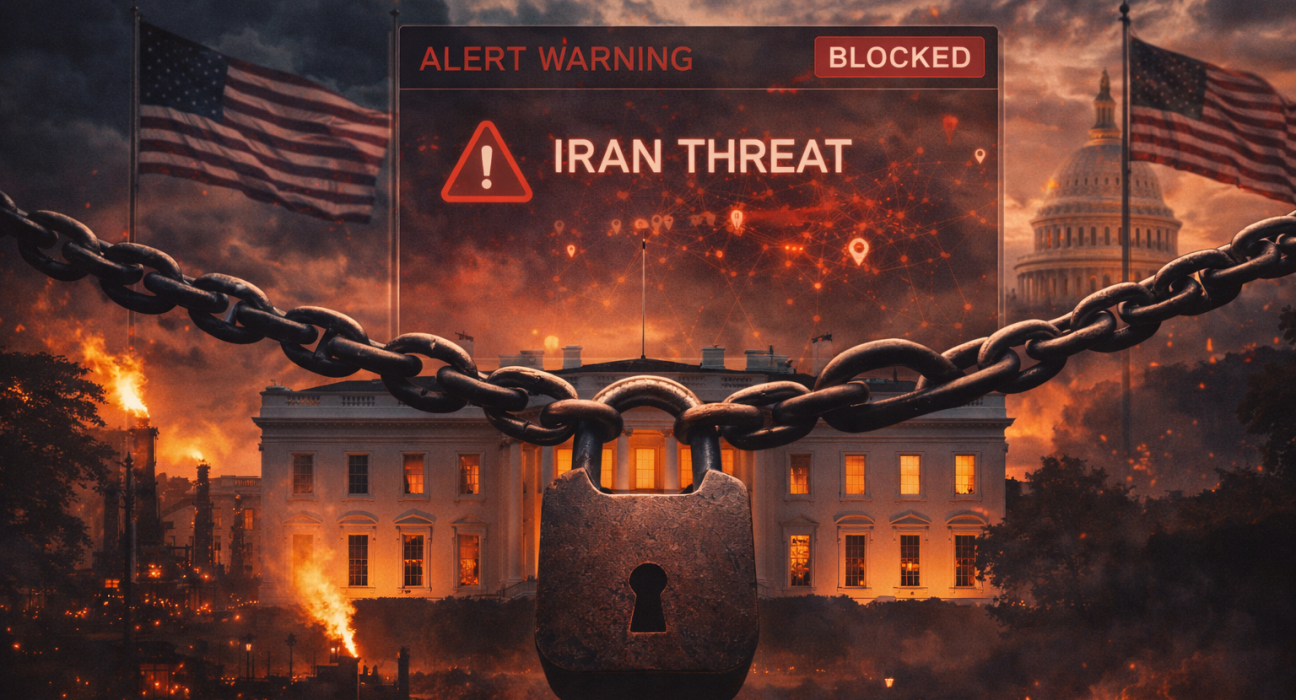
New reporting from several outlets suggests that the White House may have intervened to stop federal officials from issuing a public warning about potential Iran-linked threats connected to the ongoing conflict in the Middle East. The claim, reported by Yahoo News and echoed by NewsNation and other media organizations, has fueled debate over national security transparency, political messaging, and how governments communicate threats during wartime.
While details remain limited and the reports rely heavily on anonymous sources, the story highlights tensions between intelligence agencies seeking to alert the public and political leaders concerned about the potential consequences of releasing such warnings.
Reports of a Blocked Security Warning
According to reporting summarized by Yahoo News, U.S. national security officials drafted an alert warning that Iran or Iran-linked actors might pose a heightened security risk in response to escalating military operations. The warning reportedly referenced possible retaliation scenarios tied to the ongoing conflict involving the United States, Israel, and Iran.
However, the draft warning was allegedly blocked before it could be publicly released.
Sources cited in the reporting claim the White House intervened because officials feared the warning might create panic or complicate diplomatic and military strategy during the conflict. The warning reportedly referenced concerns about potential threats connected to Iran-aligned groups or individuals operating abroad.
Neither the White House nor federal intelligence agencies have publicly confirmed the details of the alleged blocked alert.
Context: Rising Security Concerns During the Iran Conflict
The reports come amid a broader escalation between Iran and U.S.–aligned forces. Since the start of the conflict in early 2026, intelligence agencies have warned about several potential forms of retaliation, including:
• Cyberattacks targeting infrastructure
• Attacks on U.S. military bases in the Middle East
• Disruption of global shipping routes
• Possible actions by proxy groups or covert networks
In a separate report earlier this month, ABC News said U.S. authorities had intercepted communications suggesting Iran might attempt to activate sleeper networks abroad, though officials said no confirmed domestic attack plans had been identified.
Such warnings are common during geopolitical conflicts, as governments prepare for both conventional military responses and asymmetric retaliation.
Government Messaging vs Public Disclosure
At the center of the controversy is a long-standing dilemma in national security communication: when and how to inform the public about potential threats.
Government officials must balance several competing concerns:
- Public Safety: Citizens may benefit from warnings that allow them to take precautions.
- Operational Security: Disclosing threats could reveal intelligence capabilities or compromise investigations.
- Public Panic: Alerts without specific information can sometimes cause unnecessary fear or economic disruption.
- Political Considerations: Messaging about threats can have political consequences during periods of military conflict.
Historically, U.S. administrations from both major political parties have faced criticism over how they handle intelligence warnings.
For example, before the September 11 attacks in 2001, intelligence agencies had identified potential threats but struggled with how to communicate them effectively to policymakers and the public.
More recently, debates over terrorism alerts and cyberattack warnings have raised similar questions about transparency versus operational secrecy.
Diverging Media Interpretations
Different news outlets have framed the alleged blocked warning in varying ways.
• Some reports emphasize concerns that suppressing the alert could prevent the public from understanding potential risks.
• Others suggest the decision may have been a strategic effort to avoid escalating tensions or causing public alarm without concrete evidence of an imminent attack.
Because the reports rely on unnamed sources and limited documentation, it remains unclear whether the draft alert represented a formal intelligence assessment, an early proposal, or an internal discussion that never reached final approval.
National security experts caution that intelligence warnings often go through multiple revisions and may be withheld if analysts believe the information is incomplete or uncertain.
Pros (Arguments Supporting the Decision to Block the Warning)
• Preventing unnecessary panic: Officials may have concluded that the threat intelligence was too uncertain to justify a public warning.
• Protecting intelligence sources: Public alerts can sometimes reveal sensitive surveillance or intelligence methods.
• Avoiding escalation: Publicly highlighting potential Iranian retaliation might inflame tensions during an already volatile conflict.
• Operational flexibility: Keeping intelligence assessments confidential may allow agencies to respond quietly to emerging threats.
Cons (Criticism and Concerns)
• Transparency issues: Critics argue that withholding warnings undermines public trust and accountability.
• Preparedness limitations: Without information about possible threats, individuals and institutions may be less prepared.
• Political influence concerns: Some observers worry national security decisions could be influenced by political considerations.
• Historical precedent: Past intelligence failures have sometimes been linked to poor communication between agencies and the public.
Future Projections
1. Congressional Oversight
If the reports gain political traction, congressional committees may request briefings or documents regarding the alleged warning.
2. Intelligence Community Clarification
Federal agencies may eventually clarify whether the draft warning existed and why it was not issued.
3. Continued Security Monitoring
Law enforcement and intelligence agencies are likely to maintain heightened vigilance for possible retaliatory actions linked to the Iran conflict.
4. Media Investigations
Additional investigative reporting could confirm or challenge the initial claims depending on whether new sources or documents emerge.
5. Public Debate Over Security Transparency
The story may contribute to broader discussions about how governments balance secrecy and transparency during wartime.
Conclusion
The reports alleging that the White House blocked a public warning about potential Iran-linked threats highlight the complexities of national security communication during times of conflict.
At this stage, the claims remain based primarily on anonymous sources, and officials have not confirmed the details publicly. However, the controversy underscores a recurring challenge in democratic governance: deciding how much threat information should be shared with the public while protecting intelligence operations and national security.
As the conflict with Iran continues to evolve, further disclosures or official statements may clarify whether the warning existed and why it was reportedly withheld.
References
Primary Articles
- Yahoo News – Report on White House allegedly blocking Iran-linked warning
https://www.yahoo.com/news/articles/trump-white-house-reportedly-blocking-194144725.html - NewsNation – White House blocks warning of Iran-linked threats
https://www.newsnationnow.com/world/white-house-blocks-warning-iran-linked-threats/ - Daily Mail – Coverage of alleged blocked warning
https://www.dailymail.co.uk/news/article-15622933/White-House-blocks-warning-rising-threat-linked-Iran-war.html
Additional Context Sources
- ABC News – Intelligence warnings about possible sleeper cells tied to Iran conflict
- Reuters – Coverage of escalating U.S.–Iran tensions and domestic security concerns
- Congressional Research Service reports on threat communication and intelligence oversight