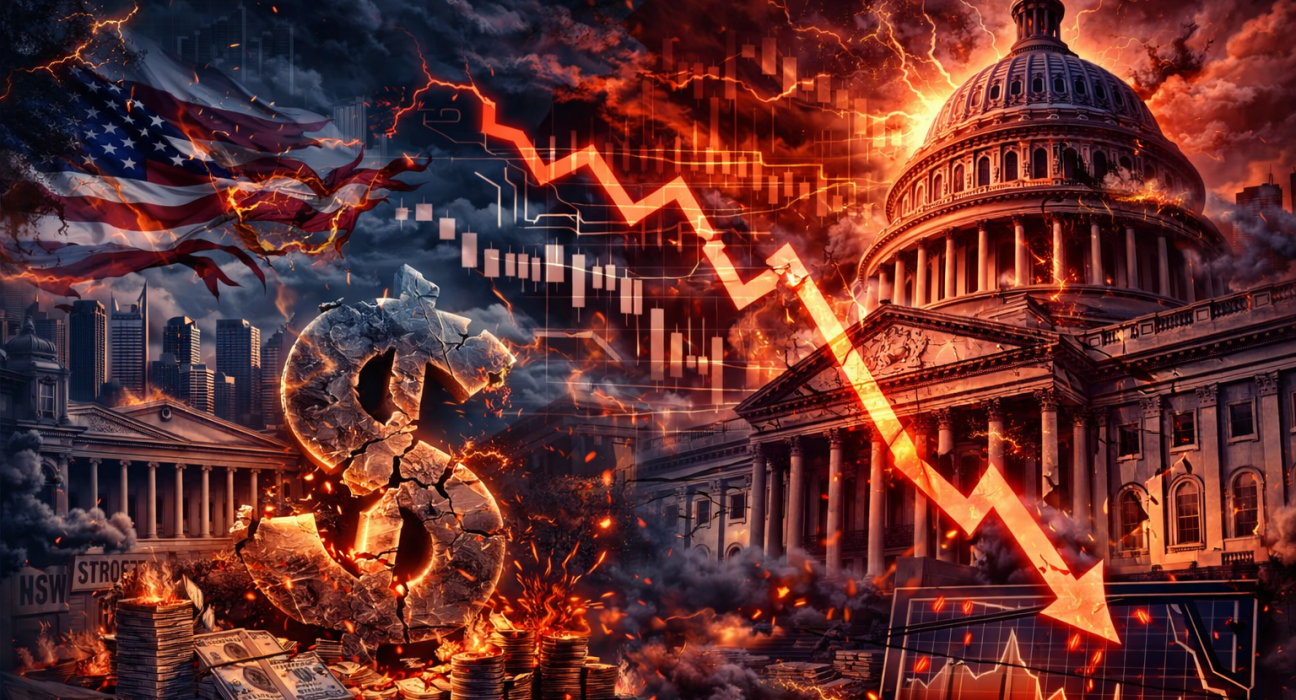
Recent headlines and commentary have raised alarms about the financial condition of the United States government, with some suggesting the country is approaching—or has already reached—“insolvency.” Articles from Fortune, Snopes, and Yahoo Finance provide different perspectives on the issue, ranging from warning signals about fiscal sustainability to direct fact-checking of viral claims.
Taken together, the coverage reflects a broader debate about U.S. debt, deficit spending, and long-term fiscal stability—while clarifying that the term “insolvency” is often misunderstood when applied to a sovereign government.
What Does “Insolvent” Mean for a Government?
In traditional terms, insolvency refers to a situation where an entity cannot meet its financial obligations as they come due. For corporations or individuals, this typically leads to bankruptcy.
However, for a sovereign government like the United States, the concept is more complex:
- The U.S. issues debt in its own currency (U.S. dollars)
- It has taxation authority
- It can refinance debt continuously through Treasury markets
Because of these factors, economists generally do not define the U.S. as insolvent in the same way as a private entity, even when debt levels are high.
The Claim: Has the U.S. Treasury Declared Insolvency?
A viral claim circulating online suggested that the U.S. Treasury had declared the government insolvent.
According to Snopes, this claim is false. There has been no official declaration of insolvency by the U.S. Treasury. The fact-check clarifies that while fiscal concerns are real, the language used in some commentary has been misinterpreted or exaggerated.
Snopes explains that statements about fiscal stress or long-term sustainability risks should not be confused with formal insolvency declarations.
What the Economic Commentary Says
The Fortune article frames the issue as a potential fiscal crisis scenario, emphasizing long-term structural challenges:
- Rising national debt (now exceeding $34 trillion)
- Increasing interest payments on that debt
- Persistent budget deficits
- Aging population driving entitlement spending
The article suggests that while the U.S. is not currently insolvent, its fiscal trajectory could become unsustainable without policy changes.
Similarly, Yahoo Finance highlights warnings from economists and policy analysts who describe the situation as a “fiscal catastrophe” risk if deficits and debt growth continue unchecked.
These analyses focus on long-term risk, not immediate collapse.
Key Drivers of Fiscal Concern
1. Rising Interest Costs
As interest rates have increased in recent years, the cost of servicing U.S. debt has grown significantly. Interest payments are now one of the largest components of federal spending.
If rates remain elevated, these costs could crowd out other government programs.
2. Structural Deficits
The U.S. government consistently spends more than it collects in revenue. This gap—known as the deficit—requires borrowing to cover.
Major contributors include:
- Social Security
- Medicare and healthcare programs
- Defense spending
- Tax policy choices
3. Demographic Pressures
An aging population means fewer workers supporting a growing number of retirees. This dynamic increases pressure on entitlement programs and reduces the tax base relative to spending needs.
4. Political Gridlock
Economists often point to political challenges in addressing fiscal issues:
- Difficulty reforming entitlement programs
- Resistance to tax increases
- Short-term budgeting cycles
These factors can delay long-term fiscal adjustments.
Market Reality: Why Investors Still Buy U.S. Debt
Despite these concerns, global investors continue to purchase U.S. Treasury securities at large scale.
Key reasons include:
- The U.S. dollar’s role as the world’s reserve currency
- Deep and liquid financial markets
- Relative stability compared to other economies
This demand allows the U.S. to refinance debt continuously, reducing the likelihood of a sudden default.
Pros (Arguments Highlighting Real Fiscal Concerns)
• Long-term sustainability risks: Rising debt and deficits may require policy adjustments
• Growing interest burden: Debt servicing costs are increasing rapidly
• Economic vulnerability: High debt levels could limit flexibility during future crises
• Warnings from economists: Multiple analysts agree that current trends are not indefinitely sustainable
Cons (Clarifications and Counterarguments)
• Not technically insolvent: The U.S. has not defaulted and retains strong borrowing capacity
• Unique monetary position: Control over its own currency provides flexibility
• Global demand for Treasuries: Continued investor confidence supports debt financing
• Short-term stability: There is no immediate indication of financial collapse
Future Projections
1. Gradual Fiscal Adjustment Pressure
Policymakers may face increasing pressure to address deficits through spending reforms or tax changes.
2. Rising Interest Share of Budget
Interest payments could become one of the largest federal expenditures if current trends continue.
3. Debt Ceiling and Political Showdowns
Future debates over borrowing limits may create periodic market volatility.
4. Potential Policy Reforms
Options could include entitlement reform, tax restructuring, or spending caps.
5. Continued Market Confidence—For Now
As long as global demand for U.S. debt remains strong, the system is likely to remain stable despite underlying risks.
Conclusion
The idea that the United States is currently “insolvent” is not supported by official statements or mainstream economic definitions. However, the broader concern highlighted across these articles is more nuanced: long-term fiscal sustainability.
While the U.S. remains financially stable in the present, rising debt, increasing interest costs, and structural budget challenges are fueling debate about how to manage future risks. The conversation is less about immediate crisis and more about whether current policies can be maintained indefinitely without adjustment.
References
Primary Sources
- Fortune – U.S. government fiscal crisis discussion
https://fortune.com/2026/03/23/us-government-insolvent-fiscal-crisis-fix/ - Snopes – Fact check on U.S. Treasury insolvency claim
https://www.snopes.com/fact-check/treasury-declares-us-insolvent/ - Yahoo Finance – Fiscal catastrophe warnings and economic analysis
https://finance.yahoo.com/economy/policy/articles/fiscal-catastrophe-us-treasury-just-182700432.html
Additional Context Sources
- Congressional Budget Office (CBO) long-term debt outlook reports
- U.S. Treasury data on debt and interest payments
- IMF and World Bank analysis on sovereign debt sustainability