
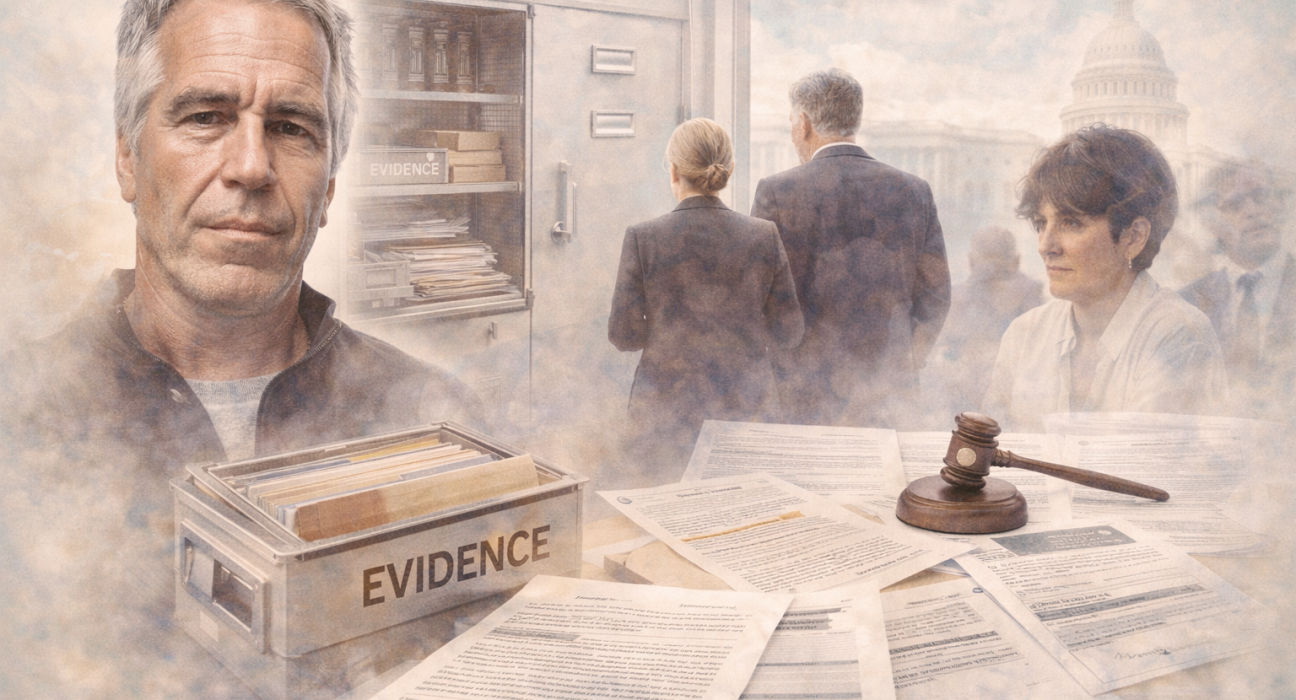
Two major news developments in early 2026 have reignited public focus on the Jeffrey Epstein case and the long-delayed release of related investigative materials:
- Reports on the release of “unredacted” Epstein files for congressional review, and
- International reporting on the broader implications of what remains secret and why.
These developments have triggered widespread debate about transparency, accountability, delayed justice, and the potential future impact on investigations and prosecutions.
1. What Congress Is Set to Receive
According to reporting from NBC News, members of the U.S. House and Senate Intelligence Committees are scheduled to view unredacted Epstein files in a secure facility beginning on a Monday in February 2026. This review follows the passage of the Epstein Files Transparency Act, a law requiring the Justice Department to make certain classes of records public while preserving victim identities and national security protections.
The unredacted materials — accessible only to lawmakers in a secure setting — include:
- Interview notes
- Witness statements
- Financial records
- Prosecutorial memoranda
- Law enforcement investigative files
Lawmakers will see more than what was released publicly, albeit with some deliberate redactions to protect privacy and ongoing security concerns. This private review aims to inform congressional oversight — particularly around how the Department of Justice (DOJ) handled different aspects of the Epstein investigations.
The Justice Department has not said that the unredacted files will be made fully public after congressional review, but lawmakers have indicated that viewing them will better equip Congress to assess whether further legislative or investigatory action is warranted.
2. Why It Took So Long to Get Here
The lengthy delay in releasing Epstein-related records stems from several intertwined causes:
A. Original Secrecy and Prosecutorial Decisions
Epstein was first investigated in the early 2000s, leading to a controversial and secret plea deal in 2008 that allowed him to avoid federal prosecution for sex trafficking in exchange for state charges in Florida. Many critics argue that choice set back transparency for years because it limited federal documentary disclosure and curtailed cooperation with later investigations.
His 2019 federal arrest and subsequent suicide occurred before trial, leaving many questions unanswered and placing investigative materials largely under seal. Prosecutors routinely move to keep grand jury materials protected by longstanding legal precedents — so even after Epstein’s death, courts denied early requests for release.
B. Legal and Privacy Protections Around Grand Jury Testimony
Federal rules tightly protect grand jury transcripts. Before 2026, courts often rejected unsealing requests on the basis that such materials should remain confidential unless the defendant consents or there is a compelling public interest that outweighs privacy and investigatory concerns.
The Epstein Files Transparency Act changed that legal balance — creating a narrow exception that allows release of files pertaining to Epstein and his associates under certain conditions. The law acknowledges victims’ rights to access information while requiring strict protections against exposing identities of minors or other vulnerable individuals.
C. Political and Institutional Hesitancy
Some legal observers noted that earlier administrations — including those before and after Epstein’s death — were reluctant to release sensitive documents due to concerns about compromising investigations, revealing law enforcement techniques, or jeopardizing ongoing related prosecutions.
The timing of the new disclosures in early 2026 — shortly after the Transparency Act became law — reflects both political mandates and institutional procedures that take months (or years) to operationalize. Preparing materials for public or legislative review requires extensive redaction, classification review, and legal vetting.
3. What Was Released “Publicly” Already — and What Still Remains Hidden
Earlier versions of the Epstein files made public — through partial disclosures, lawsuits, Freedom of Information Act requests, and court releases — have included:
- Portions of flight logs
- Court filings
- Select evidence exhibits
- Redacted interview notes
However, these public releases were heavily redacted, often leaving essential questions unanswered and obscuring key details about how Epstein’s network may have operated and who may have been connected to his activities.
By comparison, the recently provided materials for congressional review include fuller versions of previously redacted material — though still under strict oversight and privacy protections.
4. What the Broader Public and International Observers Are Saying
International reporting highlights the deep public interest in this case — not just because of allegations, but because they touch on issues of power, wealth, accountability, and elite networks:
- Some commentators argue that unredacted files could reveal previously unknown links between Epstein, associates, and high-profile individuals — though experts caution that naming someone in an investigative file does not translate into criminal guilt absent admissible evidence.
- Victim advocates have expressed frustration that it took so long to gain this level of transparency — suggesting bureaucratic reluctance and legal technicalities impeded public understanding for decades.
- Legal scholars have noted that even with unredacted congressional access, much information may still not become public due to privacy laws, ongoing prosecution concerns, and protections for third parties not charged with crimes.
5. Why Convictions Beyond Epstein and Maxwell Have Been Limited
While Epstein (who died in 2019) and Ghislaine Maxwell (convicted of federal sex trafficking charges in 2021) are the most prominent legal outcomes, broader prosecutions tied to alleged members of Epstein’s circle have been limited. Several reasons explain this:
High Burden of Evidence
Federal prosecutors must meet the high legal standard of “beyond a reasonable doubt” to bring criminal charges. Many allegations documented in investigative files — including statements from victims or witnesses — alone may not supply sufficient independently corroborated evidence to meet that strict standard.
Statutes of Limitations
Some allegations in the files relate to conduct occurring many years ago. Statutes of limitations can bar prosecution if too much time has passed between the alleged offense and actionable filing.
Death of Epstein
Epstein’s death removed a central cooperating target who might have otherwise provided testimony or evidence necessary to implicate others — a common pathway in complex trafficking networks.
International and Jurisdictional Complexity
Some potential leads involve individuals outside U.S. jurisdiction or matters that intersected multiple states or countries, complicating prosecutorial authority and coordination.
6. What Possible Outcomes Can Still Emerge
More Transparency
Congressman members and their staff may press for broader legislative action or committee hearings once they have reviewed unredacted files. Potential outcomes include:
- New or expanded investigations
- Regulatory or legal reforms requiring more proactive disclosure of grand jury materials
- Public hearings or subpoena power to compel testimony from overlooked witnesses
Political Pressure
High-profile legislators have signaled they may push for accountability if files show systemic failures or prosecutorial missteps. Whether that translates to public naming of unnamed individuals or renewed law enforcement action remains unclear.
Public Debate Over Privacy vs. Transparency
The unredacted review highlights a central tension: how to balance privacy protections for victims with public interest in understanding what happened. Even unredacted congressional access does not automatically translate to full public disclosure if privacy laws forbid release.
Conclusion
The move to allow Congress to view unredacted Epstein files represents a significant expansion of public oversight over one of the most notorious criminal networks of the early 21st century. While many questions remain — including why so many materials stayed under seal for years and whether further prosecutions are ever likely — the recent developments reflect shifting legal and political priorities about transparency, accountability, and how the justice system handles powerful individuals and their networks.
References & Further Reading
NBC News — Members of Congress to review unredacted Epstein files
https://www.nbcnews.com/politics/congress/members-congress-view-unredacted-epstein-files-monday-rcna257836
BBC News — Epstein files and why they took so long to be released
https://www.bbc.com/news/articles/cn5gzepnw4lo





Leave feedback about this
You must be logged in to post a comment.