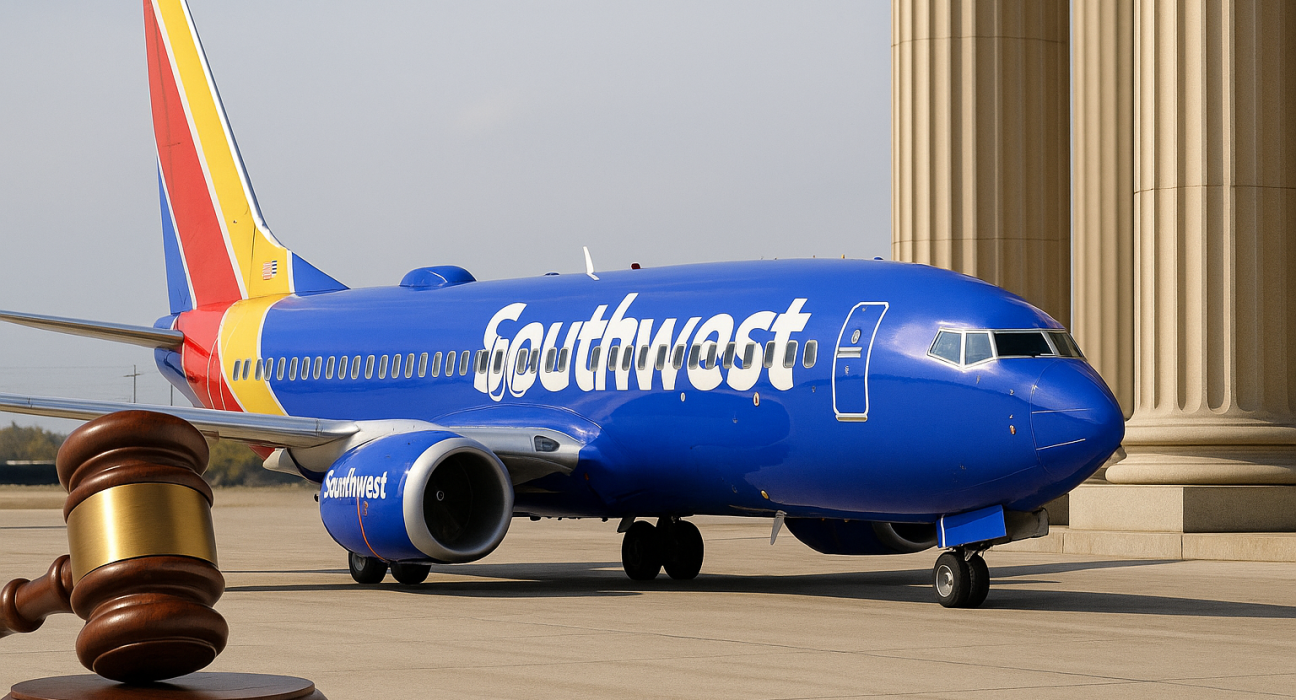
The U.S. Department of Transportation (DOT) has waived the final $11 million portion of a civil penalty previously levied against Southwest Airlines for its massive operational breakdown during a severe winter storm in December 2022. The waiver affects part of a $35 million payment the airline owed to the U.S. Treasury under a 2023 settlement negotiated by the Biden administration.
The original settlement totaled $140 million, which the administration called the largest consumer-protection penalty ever imposed on an airline. The bulk of the penalty—about $105 million—was earmarked for direct passenger compensation, while the remaining $35 million represented a monetary fine payable to the government. Southwest made two $12 million payments in 2024 and early 2025. The final installment, due January 31, 2026, will no longer be collected.
DOT’s decision is based on two main findings:
- Southwest significantly improved its on-time performance, and
- The airline made substantial operational investments, particularly in technology and network resiliency, designed to prevent another systemwide collapse.
In its statement, DOT argued that incentivizing performance improvements is more beneficial to the traveling public than collecting the remaining monetary penalty. The agency said the credit structure rewards airlines for measurable operational enhancements that reduce delays and cancelations.
The 2022 crisis that triggered the penalty was unprecedented in scale. While extreme winter weather affected airlines across the country, Southwest suffered a catastrophic systemwide failure. Its point-to-point route network was disproportionately exposed to weather disruptions in Denver and Chicago. Once aircraft and crews were displaced, Southwest’s crew-rescheduling technology was unable to keep pace. This triggered a cascading collapse in which the airline cancelled 17,000 flights, stranding more than 2 million passengers over the holiday period.
Travelers faced long waits, limited rebooking options, and overrun customer service lines. In many cases, passengers were left to pay for hotels, meals, or alternative flights on their own. The Biden administration determined that Southwest violated consumer protection laws by failing to provide adequate assistance to stranded travelers, failing to rebook passengers promptly, and failing to offer timely customer support.
Southwest acknowledged that the meltdown inflicted serious financial damage. Even before the federal penalty was finalized, the airline reported more than $1.1 billion in financial losses related to reimbursements, lost ticket sales, and operational disruptions over the following months. Since then, Southwest has publicly committed to modernizing its scheduling technology, improving winter preparedness, and strengthening communication systems that failed during the storm.
DOT’s waiver underscores a broader regulatory question: how best to incentivize airlines to invest in operational reliability. Critics argue that waiving penalties undermines accountability for large-scale failures. Supporters say that encouraging airlines to invest in modernization directly benefits consumers by reducing the likelihood of similar disruptions.
The decision arrives at a moment of heightened scrutiny over airline reliability, customer service standards, and federal oversight. DOT has pushed a series of consumer protection initiatives since 2021, including guaranteed family seating policies, enhanced refund rules, and transparency requirements for airlines. Southwest’s meltdown became a public symbol of both airline operational weaknesses and the limitations of older aviation infrastructure.
Whether the incentive-based approach produces lasting improvements remains to be seen. For Southwest, the waived penalty signals that regulators are acknowledging progress—but also expecting continued accountability as peak travel seasons return.
Pros
- Encourages Operational Investment
DOT’s waiver rewards airlines that invest in resiliency rather than simply paying penalties. - Direct Consumer Benefit
Improved on-time performance and fewer cancelations provide greater value to passengers than a government fine. - Supports Long-Term Infrastructure Modernization
Southwest’s upgrades to crew management, scheduling systems, and winter operations may reduce future disruptions.
Cons
- Perceived Weak Accountability
Critics may argue that waiving penalties softens consequences for major service failures. - Potential Precedent for Other Airlines
Carriers may expect similar leniency if improvements are promised after disruptions. - Public Distrust After Severe Meltdown
Many passengers affected by the 2022 collapse may feel the penalty should not be reduced given the hardship endured.
Future Projections
Short-Term:
- Southwest will likely highlight the waiver as validation of its operational improvements.
- Regulators may monitor upcoming winter seasons to ensure improvements hold.
Medium-Term:
- Airlines may increasingly invest in technology upgrades to avoid federal penalties and win regulatory credit.
- DOT could adopt more incentive-based penalty frameworks tied to performance improvements.
Long-Term:
- Systemwide airline reliability may improve if federal policy continues prioritizing modernization incentives.
- A major failure by any airline could reignite debate about whether waivers undermine consumer protection enforcement.
References & Further Reading
Associated Press – DOT waives portion of Southwest Airlines penalty
https://apnews.com/
Reuters – Southwest operational meltdown fallout and regulatory response
https://www.reuters.com/business/aerospace-defense/
USA Today – Analysis of the 2022 Southwest holiday collapse
https://www.usatoday.com/travel/
CNBC – Financial impact of Southwest’s winter storm disruptions
https://www.cnbc.com/airlines/
Washington Post – Federal oversight of airline consumer protections
https://www.washingtonpost.com/transportation/
DOT – Consumer protection enforcement actions and penalty structures
https://www.transportation.gov/airconsumer
NPR – Coverage of federal actions against airlines for customer service failures
https://www.npr.org/