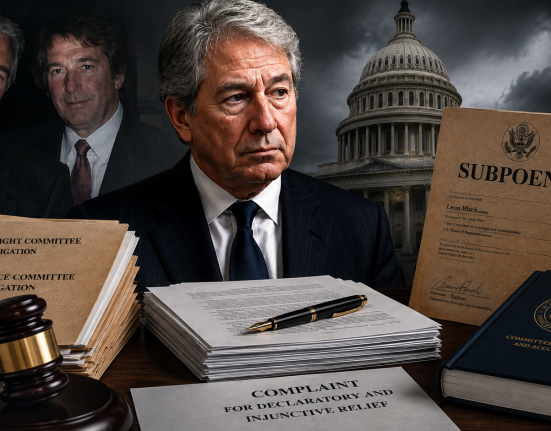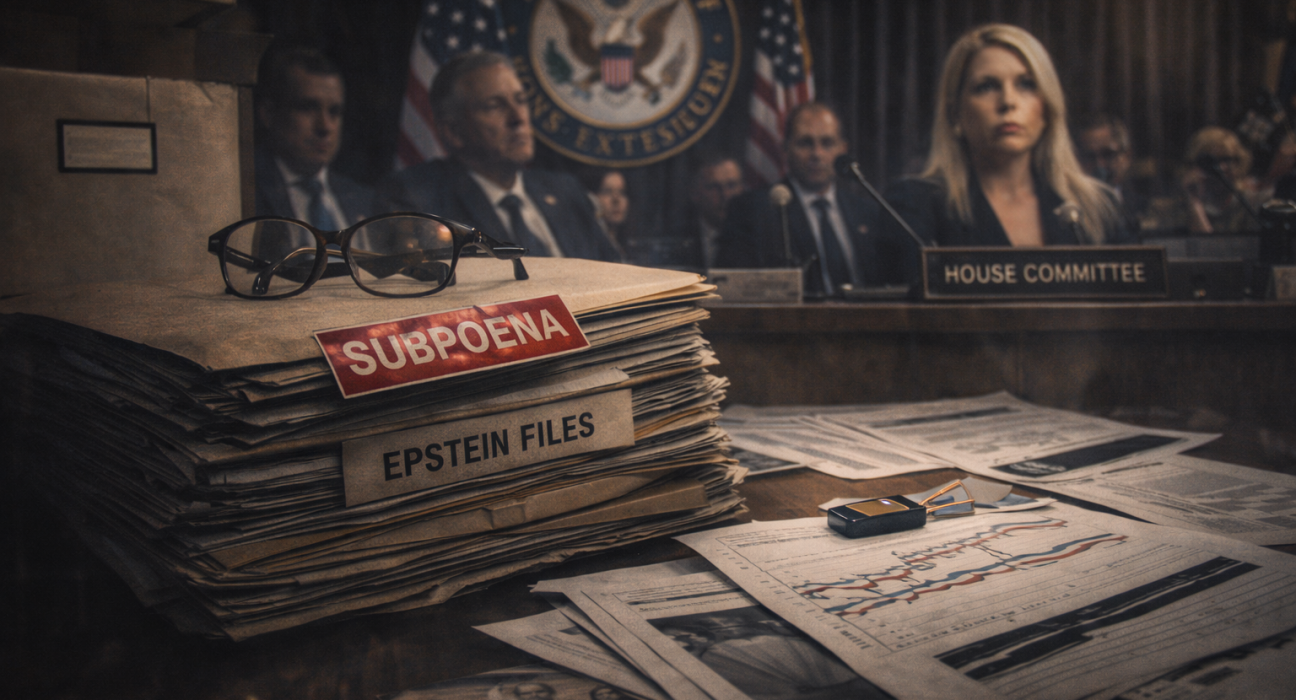
A new development in the long-running controversy surrounding convicted financier Jeffrey Epstein emerged as a U.S. House committee issued a subpoena to obtain documents related to the handling of Epstein investigations. According to reporting from Associated Press, the subpoena targets records connected to former Florida Attorney General Pam Bondi and her office’s role in matters tied to Epstein.
The request reflects renewed congressional scrutiny over decisions made during earlier investigations into Epstein, who died in federal custody in 2019 while awaiting trial on federal sex-trafficking charges. His case has remained a focal point for public debate due to the scope of his alleged trafficking network and the involvement of powerful associates.
Background: The Epstein Investigations
Jeffrey Epstein was first investigated in Florida in the mid-2000s. In 2008, he reached a controversial plea agreement with federal prosecutors that allowed him to plead guilty to state charges related to solicitation of prostitution involving a minor. Epstein served approximately 13 months in a county jail under a work-release program.
That plea agreement — often referred to as the “non-prosecution agreement” — has been widely criticized by legal scholars and victim advocates for its leniency and for granting immunity to potential co-conspirators.
Years later, federal prosecutors in New York reopened the case, leading to Epstein’s arrest in 2019 on sex-trafficking charges involving underage girls. Before the trial could proceed, Epstein died in his jail cell at the Metropolitan Correctional Center in Manhattan, an event ruled a suicide by the New York City medical examiner but still widely debated in public discourse.
The New Subpoena
According to the AP report, the House committee’s subpoena seeks records and communications involving Pam Bondi’s office that may shed light on earlier investigative decisions related to Epstein.
The inquiry focuses on whether actions taken by Florida officials during Bondi’s tenure may have influenced the handling of Epstein-related matters. Bondi served as Florida’s attorney general from 2011 to 2019.
Congressional investigators are seeking:
• Internal communications
• Legal memoranda
• Correspondence with prosecutors and investigators
• Documentation relating to policy decisions concerning Epstein cases
Committee members argue that access to these records could help clarify how Epstein’s case was handled at various stages and whether opportunities for further prosecution were missed.
Bondi has previously denied any wrongdoing related to Epstein matters.
Political and Legal Context
The subpoena comes amid broader congressional efforts to revisit aspects of the Epstein investigation and its aftermath. Lawmakers across the political spectrum have expressed interest in understanding:
• How Epstein’s network operated
• Whether influential individuals were shielded from investigation
• Why earlier investigations did not lead to broader prosecutions
Congressional inquiries into Epstein-related matters have occurred periodically since 2019, including hearings examining federal prison oversight following Epstein’s death.
Legal experts note that subpoenas from congressional committees are a standard tool for gathering information during oversight investigations. Recipients of such subpoenas may comply voluntarily, negotiate the scope of requested materials, or challenge them legally.
Broader Public Interest in the Epstein Case
The Epstein case has remained unusually prominent in public debate due to several factors:
- The scale of allegations: Dozens of women accused Epstein of sexual abuse or trafficking.
- High-profile connections: Epstein maintained social relationships with prominent figures in business, politics, and academia.
- Questions about investigative decisions: Critics argue earlier law-enforcement actions may have allowed misconduct to continue longer than it otherwise might have.
These issues have fueled calls for additional transparency regarding both the original Florida investigation and subsequent federal inquiries.
Pros (Arguments Supporting the Subpoena)
• Increased transparency: Congressional access to documents could clarify decisions made during earlier investigations.
• Accountability review: Oversight may reveal whether legal or procedural mistakes occurred.
• Public confidence: Demonstrating that investigations are revisited when concerns arise may strengthen institutional credibility.
• Historical record: The inquiry could contribute to a fuller understanding of how complex trafficking cases are handled.
Cons (Concerns and Criticisms)
• Political motivations: Critics may view the subpoena as politically motivated or tied to partisan agendas.
• Limited legal impact: Congressional investigations cannot directly prosecute crimes; they mainly gather information.
• Document interpretation challenges: Historical records may not fully capture context behind prosecutorial decisions.
• Investigation fatigue: Repeated inquiries over the years have sometimes generated public skepticism about whether new findings will emerge.
Future Projections
1. Potential Release of Documents
If the subpoena results in compliance, some materials may eventually become public through hearings or committee reports.
2. Additional Congressional Hearings
Committees could call witnesses, including former officials involved in earlier investigations.
3. Legal Challenges
Bondi or other involved parties could contest the subpoena or negotiate the scope of requested documents.
4. Broader Epstein Investigative Review
The inquiry may expand to include other officials, agencies, or institutions connected to Epstein investigations.
5. Continued Public Interest
Given the ongoing attention surrounding Epstein’s case, new revelations — even minor ones — could generate significant media coverage.
Conclusion
The House committee subpoena seeking records from former Florida Attorney General Pam Bondi’s office marks another chapter in the long-running scrutiny surrounding the Jeffrey Epstein investigations. While the subpoena itself does not determine wrongdoing, it signals lawmakers’ continued interest in reviewing decisions made during earlier stages of the case.
Whether the inquiry ultimately produces new information or simply revisits established facts remains uncertain. However, the move reflects the enduring public demand for transparency in one of the most controversial criminal cases of the past two decades.
References
Primary Source
- AP News – House committee subpoenas Epstein-related files tied to Pam Bondi
https://apnews.com/article/bondi-subpoena-epstein-files-house-committee-b16a5ab68c4a37a3a533e5f2412d7a57
Additional Context Sources
- AP News – Coverage of Epstein investigations and congressional inquiries
- Reuters – Reporting on Epstein legal proceedings and related oversight discussions
- U.S. Department of Justice historical case records
- Court filings from the Southern District of New York Epstein prosecution