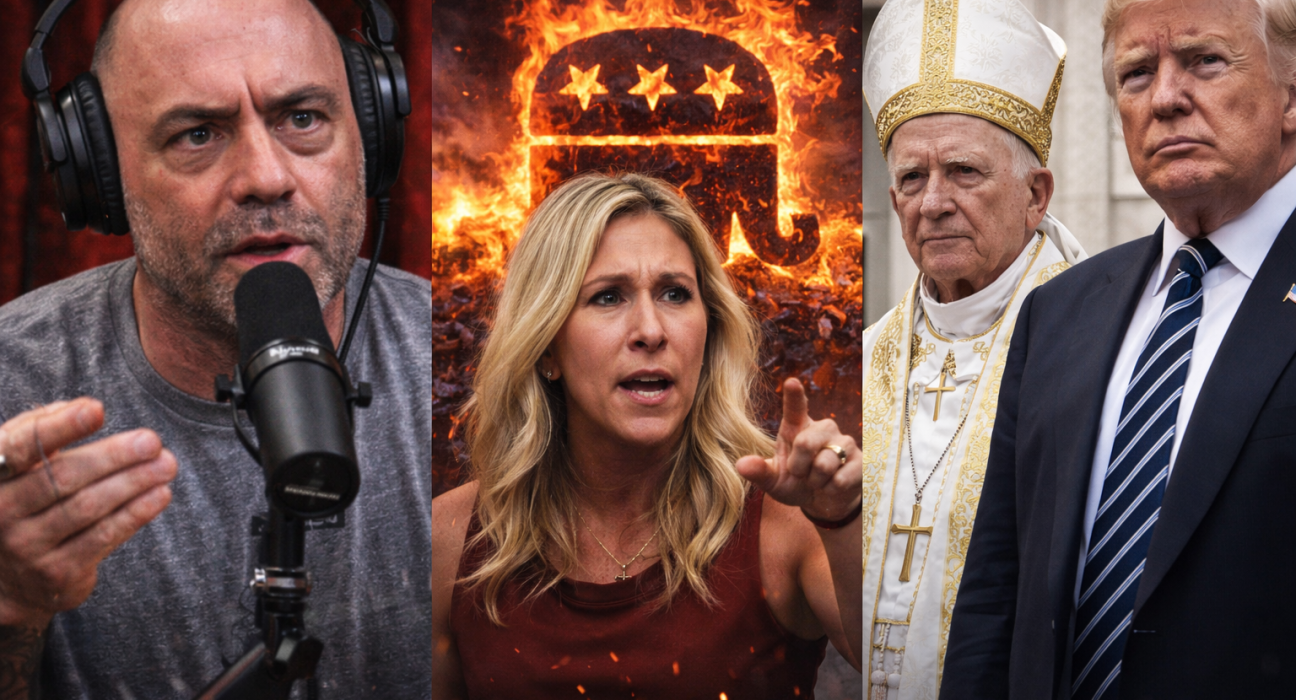
A series of recent developments involving Donald Trump highlights increasing pressure across political, cultural, and media spheres. Reports from Newsweek, The Independent, and broader coverage show a convergence of internal Republican division, international criticism, and evolving public narratives tied to the Iran conflict and Epstein-related discussions.
These developments illustrate a moment where domestic political cohesion, global perception, and media discourse are intersecting in complex ways.
GOP Infighting: “Burn It to the Ground”
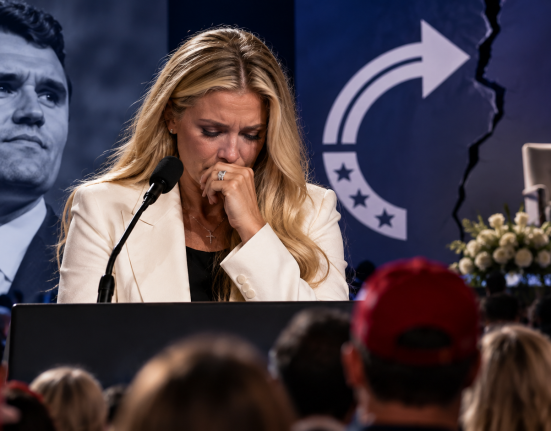
One of the most striking developments is the escalating internal conflict within the Republican Party, particularly involving Marjorie Taylor Greene.
Greene reportedly called for the Republican Party to be “burned to the ground,” reflecting a deep break from party leadership and from Trump himself.
Key factors driving the split include:
- Disagreements over U.S. involvement in the Iran conflict
- Frustration over foreign policy direction
- Ongoing tensions related to transparency around Epstein-related files
This internal division is part of a broader pattern of fracturing within the MAGA movement, where once-aligned figures are increasingly diverging on major issues.
Such divisions can weaken party cohesion, particularly during periods of international crisis.
Global Reaction: Religious and Moral Criticism
At the international level, criticism has expanded beyond political leaders to include religious figures such as Pope Leo XIV.
The Pope publicly condemned Trump’s rhetoric regarding Iran—specifically statements suggesting large-scale destruction—calling such language “unacceptable” and raising concerns about humanitarian consequences.
This response is notable because:
- The Vatican traditionally maintains diplomatic neutrality
- Public condemnation from a global religious leader signals moral and ethical concern
- It reflects broader international unease about escalation
The Pope’s intervention adds a moral dimension to what is otherwise a geopolitical and military conflict.
Media and Narrative Layer: Epstein, Iran, and Public Perception
Another layer shaping the discourse involves media commentary linking different narratives together.
Reports referenced by Newsweek indicate that public figures such as Joe Rogan have discussed potential connections between:
- The Iran conflict
- Political decision-making
- Ongoing attention around Epstein-related disclosures
While such discussions are largely speculative and interpretive rather than confirmed, they reflect how:
- Media ecosystems blend multiple narratives
- Public figures influence perception beyond traditional journalism
- Complex geopolitical events are interpreted through broader cultural frameworks
This contributes to an information environment where fact, opinion, and speculation intersect.
The Pope’s Visit and Symbolic Leadership
Separate reporting from The Independent also highlights the planned or discussed U.S. visit involving Pope Leo XIV, which carries symbolic significance.
A papal visit during a time of conflict could:
- Emphasize calls for peace and diplomacy
- Serve as a counterbalance to escalating rhetoric
- Reinforce global attention on humanitarian concerns
Historically, such visits have played roles in shaping public discourse, even if they do not directly influence policy decisions.
Broader Context: A Multi-Layered Crisis
The current situation can be understood across three interconnected layers:
1. Political Layer
- Internal divisions within the Republican Party
- Congressional and leadership disagreements
- Ongoing debates about foreign policy direction
2. International Layer
- Escalating tensions with Iran
- Global reactions from allies and religious leaders
- Economic and security implications
3. Media and Cultural Layer
- Public commentary from influential figures
- Blending of geopolitical and domestic narratives
- Increased role of alternative media platforms
These layers interact to shape both policy outcomes and public perception.
Competing Interpretations
View 1: Strategic Realignment and Open Debate
Supporters of the current dynamics argue:
- Internal disagreement reflects a healthy political process
- Strong rhetoric may serve as negotiation leverage
- Public discourse allows diverse perspectives to emerge
View 2: Fragmentation and Instability
Critics argue:
- Party divisions weaken political effectiveness
- Escalatory language increases global risk
- Mixed narratives may reduce public trust and clarity
Pros (Supportive Perspectives)
• Active political debate: Internal disagreements highlight democratic engagement
• Global moral input: Religious and international voices emphasize humanitarian concerns
• Diverse media ecosystem: Multiple perspectives contribute to public understanding
• Strategic flexibility: Leadership can adapt messaging and policy as situations evolve
Cons (Concerns and Risks)
• Party fragmentation: Internal divisions may weaken policy cohesion
• Escalation risk: Strong rhetoric could increase geopolitical tensions
• Narrative confusion: Overlapping media narratives may blur facts and interpretation
• Credibility challenges: Conflicting signals can affect domestic and international trust
Future Projections
1. Continued GOP Division
Internal disagreements within the Republican Party are likely to persist, especially around foreign policy.
2. Increased Global Pressure
International leaders and institutions may continue calling for de-escalation.
3. Media Influence Expansion
Public figures and alternative platforms will play a growing role in shaping narratives.
4. Symbolic Diplomacy
Events such as a papal visit could influence public sentiment and global discourse.
5. Ongoing Public Debate
The intersection of geopolitics, domestic politics, and media narratives will remain a central focus.
Conclusion
The convergence of GOP infighting, international criticism, and evolving media narratives reflects a complex moment in U.S. political and global affairs. While each development—Greene’s remarks, the Pope’s statements, and media commentary—operates independently, together they highlight broader questions about leadership, unity, and communication during times of crisis.
As the situation continues to evolve, the balance between political cohesion, global diplomacy, and public perception will play a key role in shaping outcomes.
References
Primary Sources
- Newsweek – Marjorie Taylor Greene calls for GOP overhaul
https://www.newsweek.com/marjorie-taylor-greene-calls-for-gop-to-be-burned-to-ground-11804513 - The Independent – Pope Leo visit and Trump context
https://www.the-independent.com/news/world/americas/us-politics/pope-leo-visit-us-trump-president-b2954080.html - Newsweek – Joe Rogan discussion linking Epstein files and Iran war
https://www.newsweek.com/joe-rogan-connects-epstein-files-trump-iran-war-11805309
Additional Sources
- Reuters – Global reaction to Trump’s Iran rhetoric
- AP News – Vatican condemnation and international law concerns
- The Guardian – GOP divisions and political fallout