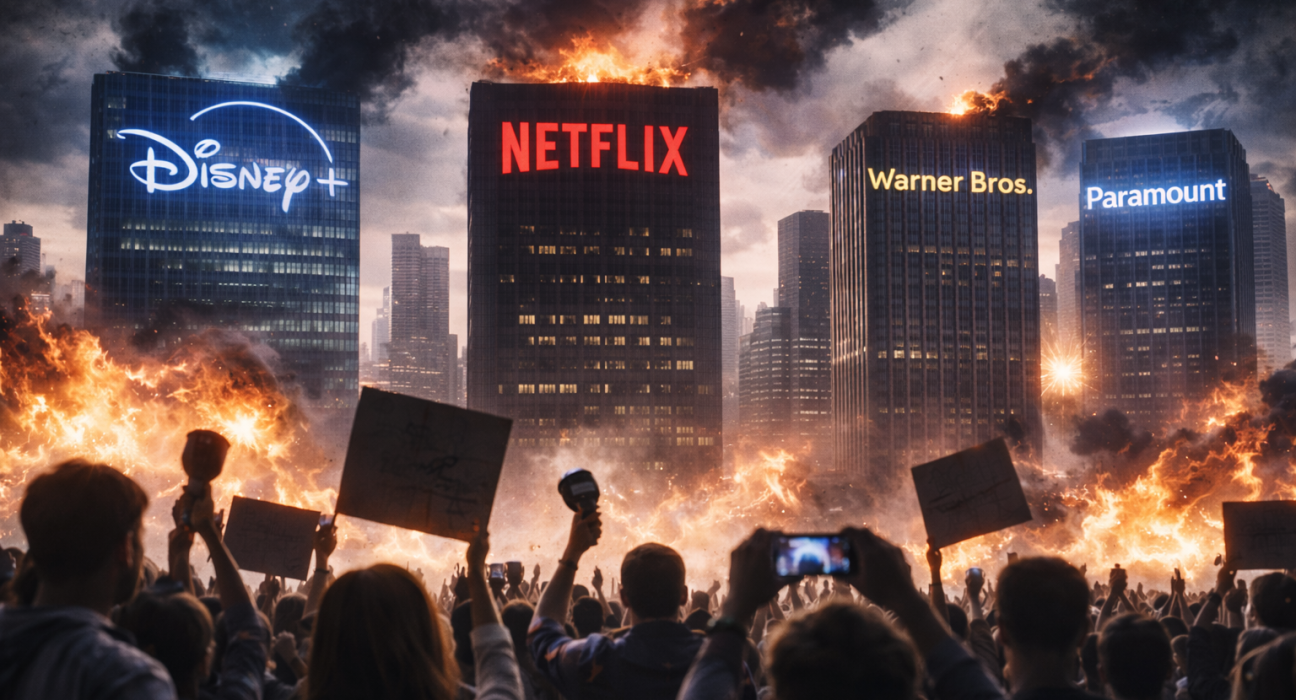
A growing wave of concern within the entertainment industry has emerged following a proposed merger between Paramount Global and Warner Bros. Discovery. According to reporting from Variety, a coalition of filmmakers, producers, and creative professionals has issued an open letter opposing the deal, warning of potential negative consequences for creative independence, competition, and the broader media ecosystem.
The letter reflects broader anxieties about consolidation in Hollywood and the increasing concentration of power among a small number of major media companies.
What the Open Letter Says
The open letter, signed by a range of industry figures, raises several key concerns:
- The merger could reduce competition in film and television production
- Creative decision-making may become more centralized
- Opportunities for independent voices could diminish
- Market dominance by a few companies could reshape the industry
Signatories argue that consolidation risks creating an environment where fewer entities control distribution, financing, and content development, potentially limiting diversity in storytelling.
Why This Merger Matters
The proposed deal would combine two of the largest entertainment companies in the world.
Together, Paramount Global and Warner Bros. Discovery control:
- Major film studios
- Television networks
- Streaming platforms
- Extensive content libraries
A merger of this scale would significantly reshape the competitive landscape, potentially rivaling or exceeding other industry giants in reach and influence.
Industry Concerns: Creative and Economic Impact
1. Reduced Competition
One of the primary concerns is that fewer major players could lead to:
- Less competitive bidding for projects
- Fewer opportunities for creators
- Increased barriers to entry for smaller studios
Competition has historically played a role in fostering innovation and diversity in entertainment.
2. Centralized Decision-Making
The letter warns that a merged entity could concentrate creative control within a smaller group of executives.
This could result in:
- More risk-averse content decisions
- Greater emphasis on franchise and blockbuster projects
- Reduced support for experimental or independent productions
3. Impact on Labor and Talent
Industry professionals also express concern about:
- Job consolidation and potential layoffs
- Reduced negotiating power for writers, directors, and actors
- Changes in compensation structures
These concerns come amid ongoing discussions about labor conditions in Hollywood, including recent strikes and contract negotiations.
Broader Industry Context
The entertainment industry has undergone significant consolidation over the past decade.
Major developments include:
- The merger of Disney and 21st Century Fox
- The formation of Warner Bros. Discovery itself
- The expansion of streaming platforms like Netflix and Amazon
These changes have led to a landscape where a small number of companies control a large share of content production and distribution.
Regulatory and Antitrust Considerations
The proposed merger is likely to face scrutiny from regulators.
Key issues include:
- Antitrust concerns related to market concentration
- Impact on consumer choice and pricing
- Effects on competition within streaming and traditional media
Regulators in the United States and internationally may examine whether the deal would:
- Limit competition
- Create unfair market advantages
- Harm consumers or industry participants
Competing Perspectives
View 1: Necessary Industry Evolution
Supporters of consolidation argue that:
- Larger companies can compete more effectively on a global scale
- Mergers can create efficiencies and reduce costs
- Consolidation may be necessary to compete with tech-driven platforms
From this perspective, the deal reflects adaptation to a changing media environment.
View 2: Threat to Creativity and Competition
Critics argue that:
- Concentration of power reduces diversity of content
- Independent creators may face fewer opportunities
- Market dominance can stifle innovation
The open letter reflects this viewpoint, emphasizing the importance of maintaining a competitive and diverse industry.
Pros (Arguments Supporting the Merger)
• Global competitiveness: Larger entities can compete with international platforms
• Operational efficiency: Consolidation may reduce costs and streamline operations
• Expanded resources: Combined assets can support large-scale productions
• Market positioning: Stronger bargaining power in distribution and licensing
Cons (Concerns Raised by Critics)
• Reduced competition: Fewer major players in the market
• Creative limitations: Potential shift toward safer, more commercial content
• Labor impact: Job losses and reduced bargaining power
• Market concentration: Increased influence of a single entity
Future Projections
1. Regulatory Review
Government agencies will likely conduct detailed antitrust evaluations.
2. Continued Industry Debate
Public discussion about consolidation and creative independence will persist.
3. Potential Modifications to the Deal
Conditions or concessions may be required for approval.
4. Shifts in Content Strategy
If approved, the merged company may adjust its approach to production and distribution.
5. Ongoing Consolidation Trends
The deal could influence future mergers and acquisitions in the media industry.
Conclusion
The open letter opposing the Paramount–Warner Bros. Discovery merger highlights deep concerns within the entertainment industry about the impact of consolidation on creativity, competition, and labor.
While supporters view the deal as a strategic response to a rapidly evolving media landscape, critics warn that it could concentrate power in ways that reshape the industry’s future. As regulators review the proposal, the outcome will likely have lasting implications for how content is created, distributed, and consumed.
References
Primary Source
- Variety – Hollywood open letter opposing Paramount–Warner Bros. deal
https://variety.com/2026/film/news/hollywood-open-letter-paramount-warner-bros-deal-1236720249/
Additional Context Sources
- Industry reporting on media consolidation trends
- Antitrust analysis of major entertainment mergers
- Coverage of streaming platform competition