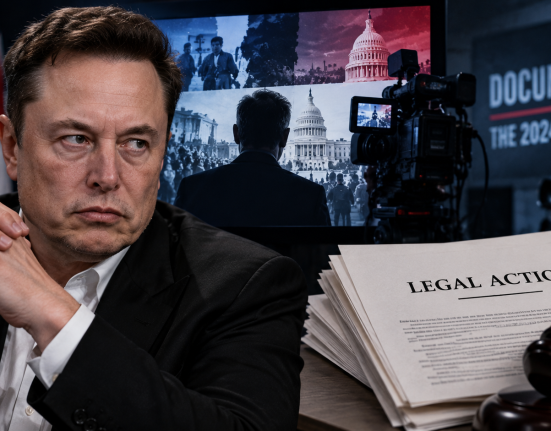
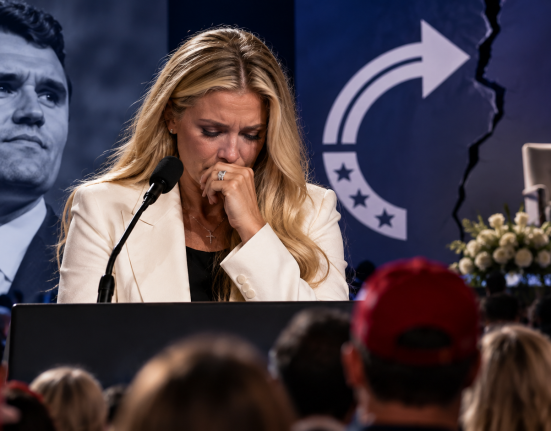
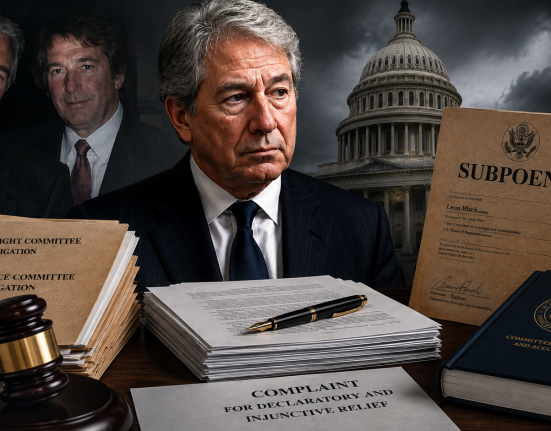
Jimmy Kimmel says his planned interview with James Talarico, the Democratic U.S. Senate candidate in Texas, will not air on ABC’s broadcast version of Jimmy Kimmel Live! and will instead be posted on YouTube. Rolling Stone framed the decision as a response to threats from President Donald Trump’s FCC. Independent reporting from Reuters, Variety, and LateNighter confirms the central event: Kimmel announced during his September 9 monologue that the interview would be conducted but kept off broadcast television because of concerns involving the FCC, ABC, affiliates, and local stations.
The heart of the controversy is the FCC’s interpretation of the equal opportunities rule, often called the “equal time” rule. The rule comes from Section 315 of the Communications Act and requires broadcast stations that allow one legally qualified candidate to use their facilities to provide comparable opportunities to opposing candidates for the same office. The FCC’s own January 21 guidance emphasizes that the rule means “comparable time and placement,” not necessarily identical airtime.
This distinction matters because YouTube is not treated the same way as over-the-air broadcast television. AP reported earlier this year that the equal-time provision applies to broadcast television, not streaming or internet programs, which explains why both Kimmel and Stephen Colbert could post Talarico interviews online even when the networks avoided airing them on traditional TV.
What Kimmel Said Happened
Kimmel said he has interviewed political candidates for more than 20 years, including Hillary Clinton, Ted Cruz, and Donald Trump, without previously facing this kind of broadcast restriction. He argued that what changed is the current FCC’s approach toward ABC, its affiliates, and guest-booking decisions. LateNighter reported Kimmel saying the Talarico interview would stay off ABC out of consideration for local stations, especially Texas ABC affiliates that could face regulatory complications.
Reuters reported that ABC declined to comment and that the FCC did not immediately comment on Kimmel’s latest statement. That means the public record currently includes Kimmel’s explanation, independent confirmation that the interview was moved to YouTube, and the FCC’s broader regulatory guidance — but not a direct FCC response to Kimmel’s specific September 9 claim.
The FCC’s Stated Position
The FCC’s position is that broadcast stations cannot automatically assume late-night or daytime talk shows qualify for the bona fide news interview exemption. The Communications Act exempts certain candidate appearances from equal opportunities requirements, including bona fide newscasts, bona fide news interviews, bona fide news documentaries, and on-the-spot coverage of bona fide news events.
In its January guidance, the FCC said a 2006 Media Bureau decision involving The Tonight Show with Jay Leno should not be treated as a blanket exemption for all current late-night or daytime talk shows. The FCC said any program seeking certainty could file a petition for a declaratory ruling.
FCC Chair Brendan Carr has defended this approach as enforcement of existing broadcast law, arguing that programs motivated by partisan purposes should not automatically receive a news exemption. Reuters reported Carr saying networks had assumed late-night and daytime talk shows qualified as bona fide news programs even when he believed some were politically motivated.
Why Critics See a Free-Speech Problem
Critics argue the FCC’s approach creates a chilling effect. Their concern is not only that networks must obey election-broadcast rules, but that the government’s power over broadcast licenses could pressure networks to avoid certain guests or topics. Reuters reported that FCC Commissioner Anna Gomez, a Democrat, criticized the January guidance as part of a campaign to control speech and warned broadcasters should not feel pressured to avoid critical coverage out of fear of regulatory retaliation.
This concern is intensified by a separate legal battle between Disney/ABC and the FCC. Reuters reported that FCC Chair Brendan Carr ordered early reviews of eight Disney-owned ABC station licenses in April, even though those renewals were not scheduled before October 2028; Reuters also reported that the FCC had not ordered such an early review in more than 50 years before April.
Disney and ABC sued the FCC in August, alleging that the early-license-review request violated their First Amendment rights and amounted to a retaliatory campaign. CBS News reported that the lawsuit accuses the administration and FCC of trying to punish ABC over content and viewpoints it dislikes. The FCC has rejected that framing and said it is following the facts and law, including investigating serious allegations involving Disney.
Why This Is Happening Around Talarico
James Talarico has become central to this fight because this is not the first time one of his late-night interviews was moved off broadcast television. Earlier this year, Stephen Colbert said CBS lawyers advised against airing his Talarico interview because of FCC equal-time concerns. The interview was posted on YouTube instead and drew millions of views.
AP reported that the FCC also investigated ABC’s The View after Talarico appeared on the program. Carr confirmed that the agency had an enforcement action underway involving The View and possible equal-time issues.
This creates a practical issue for networks: if a broadcast show interviews one legally qualified candidate, rival candidates may be able to seek comparable airtime unless the appearance falls within a recognized exemption. That risk can lead networks to avoid airing candidate interviews altogether, especially close to elections or in closely watched races.
Arguments Supporting the FCC’s Position
Supporters of the FCC’s approach can argue that broadcast television uses public airwaves and has special legal obligations that do not apply to cable or internet platforms. They can also argue that if a talk show gives one candidate valuable exposure, opponents should not be unfairly denied access to comparable airtime.
Under this view, the FCC is not banning speech. It is enforcing a rule Congress created to prevent broadcasters from using licensed public spectrum to favor one candidate over another. The FCC’s January guidance explicitly frames the rule as a protection against stations putting “thumbs on the scale” for candidates.
Arguments Against the FCC’s Position
Opponents argue the FCC’s recent interpretation disrupts decades of common practice in which late-night and daytime shows interviewed political figures based on newsworthiness and editorial judgment. They also argue that selective or aggressive enforcement can pressure networks to self-censor, especially when license reviews and political criticism from the White House occur around the same time.
The strongest concern is not that equal-time rules exist. The concern is that unclear or politically charged enforcement could make broadcasters avoid political interviews, satire, and criticism to protect local station licenses. Reuters notes that license revocations are extremely rare, but the threat of license consequences can still pressure broadcasters.
What This Could Mean Going Forward
The immediate result is that YouTube and streaming platforms become safer outlets for political interviews because they are not subject to the same broadcast equal-time framework. That could push more campaign-related interviews away from network television and toward online platforms.
A second consequence is legal uncertainty. If Disney’s lawsuit proceeds, courts may have to address whether the FCC’s early license reviews and equal-time enforcement are ordinary regulatory actions or improper government pressure on editorial decisions.
A third consequence is editorial caution. Even if the FCC does not ultimately punish ABC, networks may avoid candidate interviews if the legal risk is unclear. That could reduce political exposure on traditional TV while increasing the role of digital platforms.
Conclusion
The Rolling Stone story is broadly supported by outside reporting: Kimmel did say the James Talarico interview would not air on ABC and would instead appear on YouTube because of FCC-related concerns. Reuters, Variety, LateNighter, and AP all confirm the broader pattern involving Talarico interviews being moved online amid equal-time concerns.
The most neutral way to understand the story is not simply “the FCC censored Kimmel” or “ABC violated election law.” The facts are more specific.
The FCC has issued guidance narrowing broadcasters’ ability to assume late-night and daytime talk shows are automatically exempt from equal-opportunities rules. Kimmel and critics say this pressure interferes with normal editorial decisions. The FCC says it is enforcing legal obligations tied to broadcast licenses.
The deeper issue is whether enforcement of candidate-access rules can be done in a politically neutral way without discouraging broadcasters from hosting political conversations at all. That is the question likely to matter beyond this one Kimmel interview.
References
Rolling Stone — original report on Jimmy Kimmel, James Talarico, and FCC threats.
Reuters — Kimmel says Talarico interview will not air on ABC broadcast.
Reuters — FCC guidance on late-night/daytime talk shows and equal-time rules.
FCC — January 21, 2026 Media Bureau guidance on political equal opportunities.
AP — FCC investigation of The View and Talarico-related equal-time issues.
Reuters — FCC asks court to reject Disney/ABC lawsuit over early station-license reviews.
CBS News — Disney/ABC lawsuit alleging retaliatory campaign by the FCC.
Washington Post — Brendan Carr defends FCC role in dropped Colbert interview.
LateNighter — Kimmel says Talarico interview will be posted to YouTube instead of broadcast TV.