An aggressive federal immigration enforcement operation in Minnesota, dubbed Operation Metro Surge, has drawn intense public scrutiny, sustained protests and legal challenges after a series of fatal shootings by federal agents and other controversial tactics. Multiple news outlets — including Associated Press and Reuters — have reported on events that have unfolded in Minneapolis, leading to investigations into federal conduct and questions about how immigration enforcement is carried out in U.S. cities.
The law enforcement activity stems from a broader immigration crackdown initiated by the U.S. Department of Homeland Security (DHS) under the Trump administration in late 2025. The operation deployed thousands of agents from Customs and Border Protection (CBP), Immigration and Customs Enforcement (ICE), and other federal units to Minnesota with the stated goal of apprehending undocumented immigrants and deporting individuals with criminal histories.
Fatal Shootings and Public Reaction
Several significant shootings during the operation have drawn nationwide attention:
- On January 7, 2026, a federal ICE agent shot and killed 37-year-old Renée Good, an American woman, during a street encounter in Minneapolis. Local witnesses describe Good as attempting to drive away when shots were fired. Federal officials characterized the use of force as a response to perceived danger, while local authorities and activists questioned that narrative.
- On January 24, 2026, two Customs and Border Protection officers, identified as Jesus Ochoa and Raymundo Gutierrez, fatally shot Alex Pretti, a 37-year-old intensive care nurse, during another encounter related to the enforcement actions. Federal agents asserted Pretti was armed and resisted disarmament, but video footage and local reporting show Pretti holding a cell phone at the time, with no clear indication he drew his weapon. Pretti’s killing became the third fatal shooting by federal immigration agents in Minneapolis in less than three weeks and intensified protests.
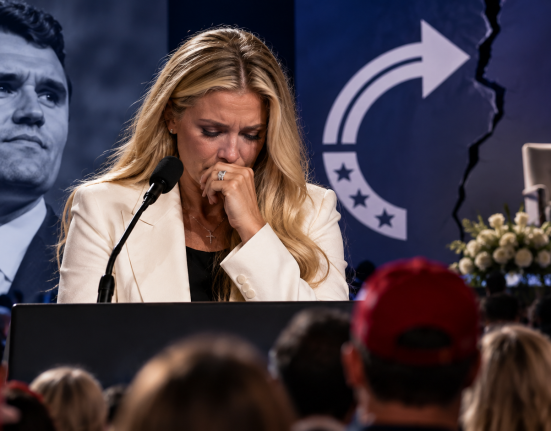
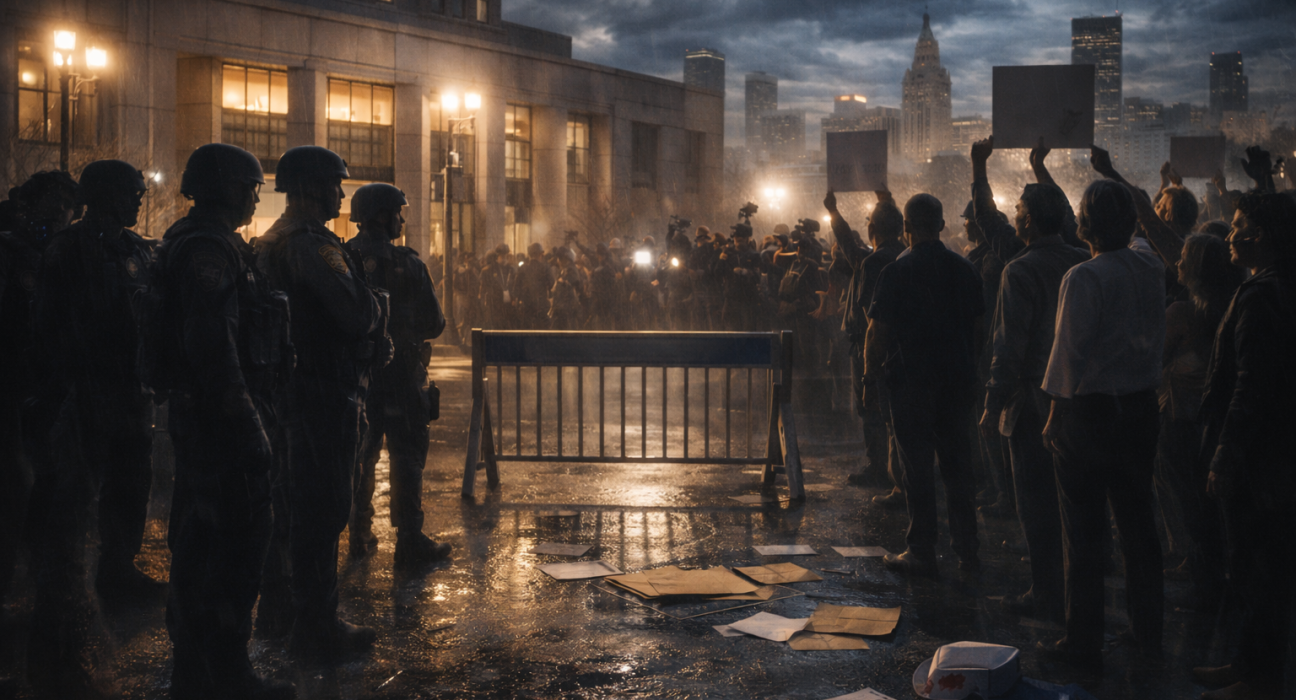
These incidents sparked large demonstrations in Minneapolis and solidarity protests across other U.S. cities as part of broader 2026 Anti-ICE Protests. Demonstrators have called for accountability, transparency, and reevaluation of federal enforcement tactics within city limits.
Leadership and Federal Response
Gregory Bovino, a senior Border Patrol official, became the public face of the Minneapolis enforcement operation. Bovino defended the actions of agents, describing their conduct as lawful, ethical and necessary for public safety during the crackdown. After substantial public criticism and mounting political pressure, Bovino was eventually removed from his Minneapolis leadership role and reassigned, though he retained his position within CBP.
The Trump administration and DHS have maintained that enforcing immigration law is a federal responsibility, and that federal officers acting within that scope are immune from state prosecution. Administrative officials have echoed DHS statements that the agents’ actions were defensive in nature, particularly in the Pretti shooting.
Legal and Accountability Efforts
In the wake of the protests and deaths, legal authorities on the state level have taken action:
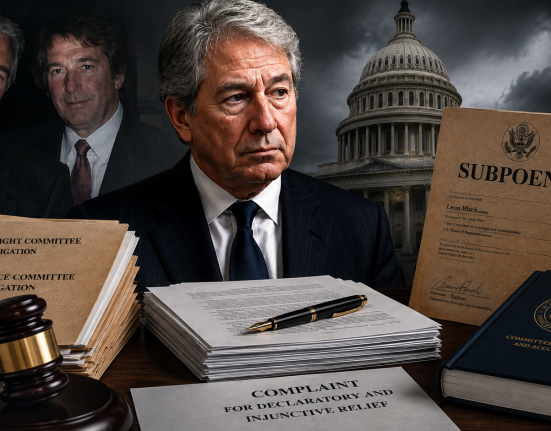
- Hennepin County Attorney Mary Moriarty in Minnesota has launched a criminal investigation into federal officers’ conduct during Operation Metro Surge, including alleged misconduct by Bovino and other agents. The probe covers at least 17 incidents, including instances of use of force and deployment of chemical irritants near vulnerable groups such as students and protesters. Moriarty’s office has created a public portal for uploading evidence and signaled a readiness to pursue charges where warranted — a move that could test long-standing federal immunity claims.
- The Department of Justice has opened a federal civil rights inquiry into the death of Alex Pretti, although it declined to do so for the Good shooting. Meanwhile, the FBI has restricted state access to some evidence, creating further friction between federal and local authorities.
Lawyers and civil rights groups have challenged the federal narrative that state prosecution is barred, arguing that agents are not entitled to absolute immunity if they exceeded lawful authority — a central legal question underlying the investigations.
Broader Community and Political Response
The shootings and enforcement tactics have triggered political backlash and calls for policy revision:
- Minnesota officials and local activists have urged federal agents to depart the state, saying the crackdown has created fear, trauma, and disruption in communities.
- National politicians have weighed in, with some calling for greater oversight of federal immigration operations, and others defending federal prerogatives to enforce immigration law.
- Civil liberties advocates and human rights groups have expressed concern that aggressive enforcement tactics on domestic soil blur the line between immigration enforcement and broader law enforcement roles, fueling debates about where and how such operations should occur.
Pros (Potential Supporters’ Perspectives)
• Law enforcement emphasis: Proponents say the operation targets undocumented immigrants with criminal histories and reinforces federal commitment to enforcing immigration laws.
• Public safety rationale: Supporters argue that agents must have the authority and resources to act decisively when confronted with perceived threats to officer safety.
• Federal jurisdiction: Advocates note that immigration enforcement is clearly a federal responsibility, and federal immunity protects agents acting within lawful authority.
(These viewpoints reflect arguments made by officials and supporters, not universal assessments.)
Cons (Criticisms and Risks)
• Use of force concerns: The fatal shootings of U.S. citizens have raised serious questions about proportionality, training, and justification for lethal force in enforcement operations.
• Accountability and transparency: Critics argue that federal agencies have been opaque about evidence, body camera footage, and internal reviews, hindering public trust.
• Community trauma: Residents and local officials describe fear and disruption in everyday life, including protests, civil disorder, and strained public safety resources.
• Legal friction: The dispute over federal immunity and the ability of local prosecutors to investigate federal officers has sparked constitutional and jurisdictional debate.
Future Projections
- Legal Precedents: Moriarty’s prosecution efforts may result in landmark court rulings on federal immunity boundaries and accountability for federal agents.
- Policy Reassessment: Lawmakers and federal agencies could revisit guidelines for domestic immigration enforcement, particularly regarding use of force protocols.
- Federal-Local Tension: Continued disputes between state attorneys general and federal authorities may lead to broader legislative or judicial clarifications.
- Public Trust Issues: Ongoing protests and community advocacy may influence immigration policy reforms at local and national levels.
References & Sources
Primary Article
- AP News – Minnesota prosecutor launches investigation into federal immigration officers including Bovino
https://apnews.com/article/bovino-minnesota-immigration-minneapolis-good-pretti-0ace82ca68846109fbf6d30439e6f0f1
Additional Sources
- Reuters – Top Border Patrol official and other federal agents investigated by Minneapolis prosecutors
https://www.reuters.com/legal/government/top-border-patrol-official-other-federal-agents-being-investigated-by-2026-03-02/ - Wikipedia – Killing of Alex Pretti (detailed context of fatal shooting and agents involved)
https://en.wikipedia.org/wiki/Killing_of_Alex_Pretti - Wikipedia – Operation Metro Surge (overview of enforcement activities)
https://en.wikipedia.org/wiki/Operation_Metro_Surge - Wikipedia – Killing of Renée Good (earlier fatal shooting)
https://en.wikipedia.org/wiki/Killing_of_Ren%C3%A9e_Good - Reuters – Minnesota launches investigation that could bring charges against federal immigration officers
https://www.ksat.com/news/2026/03/03/minnesota-launches-investigation-that-could-bring-charges-against-federal-immigration-officers/