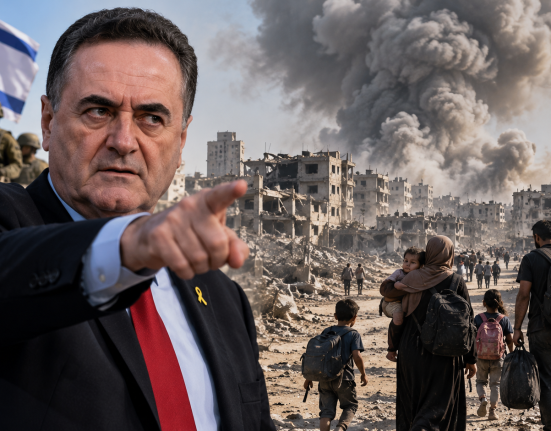
Another major development concerns an airstrike near a girls’ school in the Iranian city of Minab that killed large numbers of civilians, many of them children.
NPR and other outlets report that video and satellite imagery analysis suggests a U.S. Tomahawk cruise missile may have struck a military facility adjacent to the school.
Investigative researchers and weapons experts examining the footage concluded the missile appears consistent with a Tomahawk — a weapon used by the U.S. military. The blast destroyed large portions of the school compound, killing more than 160 people according to local reports and humanitarian organizations.
The United States has stated it does not deliberately target civilian sites and has launched an internal investigation into the incident.
Military analysts say such incidents can occur when legitimate military targets are located near civilian infrastructure. The targeted area reportedly contained a naval base linked to Iran’s Revolutionary Guard, which may have been the intended target.
Under international humanitarian law, however, armed forces are required to verify targets and minimize civilian harm. Legal experts say determining whether the strike violated those rules depends on several factors:
• Whether the military target justified the strike
• Whether planners knew civilians were present
• Whether precautions were taken to reduce casualties
The investigation could become one of the most significant wartime accountability questions of the conflict.
Rising U.S. Military Casualties
The human cost of the conflict is also becoming more visible within the United States.
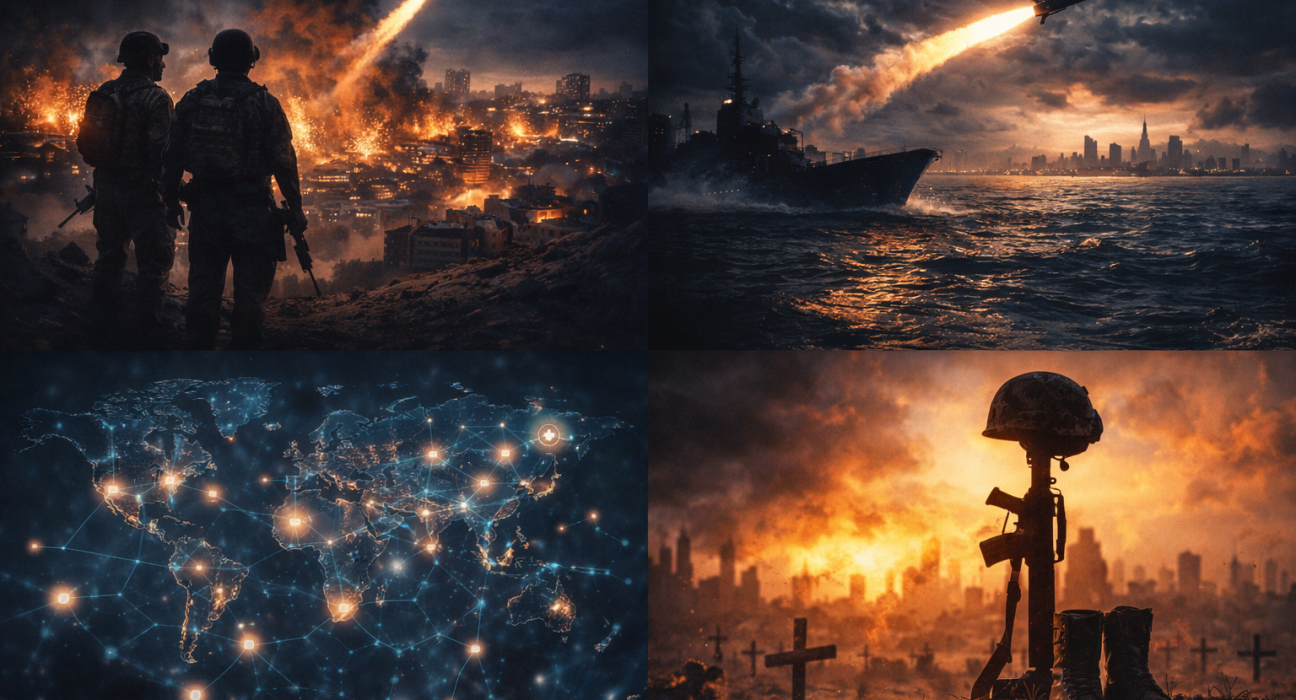
U.S. Central Command confirmed that a seventh American service member has died from injuries sustained during Iranian retaliatory attacks on U.S. forces in the Middle East.
The casualties are linked to drone and missile strikes targeting American positions in countries including Kuwait and Saudi Arabia following the initial U.S.–Israeli military campaign.
Iran has launched ballistic missiles and hundreds of drones against regional targets in response to the strikes.
Defense officials have warned that additional casualties may occur as the conflict continues, reflecting the risks of sustained military operations in the region.
Wider Context: The Expanding Iran Conflict
The war began in late February 2026 after coordinated U.S. and Israeli strikes targeted Iranian leadership and military infrastructure. One of the most consequential developments was the death of Iranian Supreme Leader Ali Khamenei, which triggered retaliatory attacks and widespread regional escalation.
Since then the conflict has spread across multiple fronts:
• Iranian missile and drone attacks on U.S. bases
• Israeli operations targeting Iranian infrastructure
• Civilian casualties and humanitarian concerns
• Rising tensions among global powers
Energy infrastructure, shipping lanes, and regional allies have also been drawn into the crisis, raising fears of a broader Middle East war.
Pros (Arguments Supporting the Military Campaign)
• Strategic deterrence: Supporters argue the strikes weaken Iranian military capabilities and prevent future threats to U.S. allies.
• Alliance defense: The campaign reinforces the U.S.–Israel security partnership.
• Prevention of nuclear escalation: Proponents claim the operation may disrupt Iranian nuclear ambitions.
(These perspectives reflect arguments made by officials and supporters of the operation.)
Cons (Criticisms and Risks)
• Civilian casualty concerns: The school strike controversy raises serious humanitarian and legal questions.
• Domestic security risks: Potential sleeper cell activation highlights fears of retaliation inside Western countries.
• Escalation danger: Retaliatory missile attacks and casualties increase the possibility of a wider regional war.
• Political divisions: Debates over the war’s justification and conduct are intensifying domestically and internationally.
Future Projections
1. Heightened Domestic Security Measures
Law enforcement agencies in the United States and allied countries are likely to maintain elevated counterterrorism readiness.
2. Investigations Into Civilian Casualties
The Minab school strike will likely face international scrutiny and possibly war-crimes investigations if evidence confirms responsibility.
3. Continued Military Escalation
Retaliatory attacks suggest the conflict could persist for weeks or months.
4. Rising Political Debate
The war is expected to become a central issue in domestic political discussions, particularly regarding authorization and strategy.
5. Regional Instability
Strikes on energy infrastructure and shipping routes could further destabilize global energy markets.
References
Primary Articles
- ABC News – Iran may be activating sleeper cells outside the country
https://abcnews.com/US/iran-activating-sleeper-cells-alert/story?id=130897687 - NPR – Investigation into strike near Iranian school
https://www.npr.org/2026/03/08/nx-s1-5739395/iran-school-airstrike-tomahawk-missile-trump - Live5 News – 7th American killed in Iran operations
https://www.live5news.com/2026/03/08/7th-american-is-killed-iran-operations-military-confirms/
Additional Sources Used for Context
- AP News – Video evidence suggests U.S. Tomahawk missile near Iranian school
- Reuters – U.S. response to allegations of school strike
- NPR regional reporting on military casualties
- Analysis of Iranian retaliatory strikes in Kuwait
- Background on the 2026 Iran conflict