
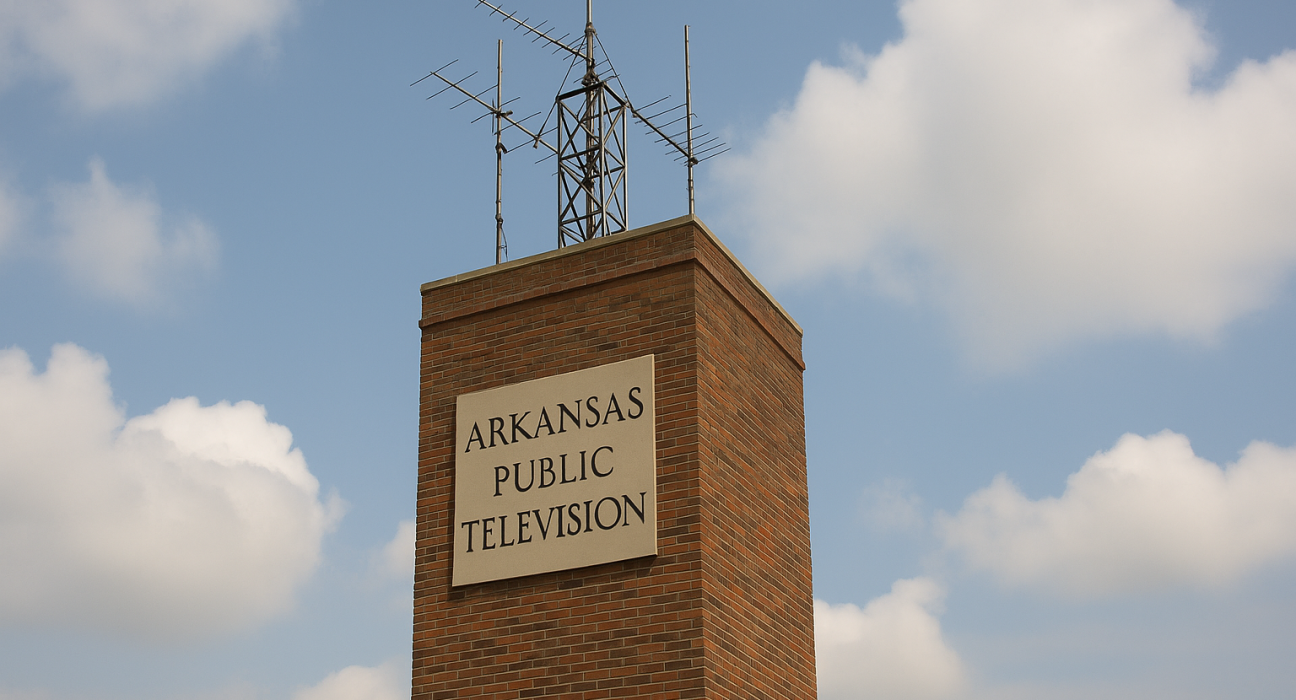
Arkansas is poised to become the first state in the nation to sever its long-standing relationship with the Public Broadcasting Service (PBS), effective July 1. The move follows a decision by the state’s public broadcaster, Arkansas PBS, to formally withdraw from the national system after months of political tension, funding disputes, and disagreements over editorial independence.
According to reporting by CTV News and corroborating national coverage, the Arkansas Educational Television Network Commission (AETN)—which operates Arkansas PBS—voted unanimously to discontinue its affiliation with PBS. This means the state will no longer pay membership dues, carry PBS national programming, or participate in PBS’s system-wide governance and content-sharing infrastructure.
The development marks a significant rupture in the landscape of public media. For more than 50 years, Arkansas PBS has relied on PBS-produced educational resources, national news specials, and children’s programming like Sesame Street, Arthur, Nova, and PBS NewsHour. The organization will now be responsible for independently filling those gaps or sourcing alternative content providers.
Why Arkansas Is Cutting Ties
The state’s decision stems from two core issues:
- Political Pressures and Cultural Debates
Arkansas Governor Sarah Huckabee Sanders and conservative lawmakers have voiced concerns for over a year that PBS’s programming contains “ideological bias,” particularly in children’s content touching on family, identity, and social themes. Critics claim some PBS shows “promote progressive viewpoints inconsistent with Arkansas values.” Officials have accused Arkansas PBS of resisting state oversight—charges the broadcaster has denied. - Financial and Operational Disputes
PBS charges states annual dues to maintain membership, and Arkansas officials have questioned the value of the investment relative to the network’s local programming capacity. Arkansas PBS leadership has argued that dues support essential services, shared infrastructure, and educational programming that individual states cannot replicate cheaply. The break indicates the state believes it can operate more cost-effectively without PBS affiliation.
The Impacts on Arkansas Viewers
Once the split takes effect, Arkansas households will see substantial content changes:
- PBS staples—including PBS NewsHour, Frontline, Sesame Street, Nature, and Masterpiece—will abruptly disappear from Arkansas airwaves unless purchased through alternate licensing deals.
- Arkansas PBS must now source or produce its own educational content, a major logistical and financial undertaking.
- Teachers and public schools that routinely rely on PBS digital archives may lose access to national curriculum materials unless new agreements are negotiated.
Media analysts note that while some programming could be acquired independently, the absence of PBS’s large-scale production ecosystem will create gaps that are difficult for a single state network to fill.
Broader National Significance
Arkansas is the first state to cut ties, but media experts warn that this could signal a larger trend. Several conservative-led states have clashed with PBS member stations over editorial decisions and cultural programming.
PBS operates as a decentralized network in which each state affiliate maintains content autonomy while contributing to and relying on a national production pool. If additional states follow Arkansas’s lead, the national system could face:
- Fragmentation of public media access
- Loss of shared educational resources
- Funding instability, potentially impacting children’s programming and independent journalism nationwide
Some observers view Arkansas’s withdrawal as part of a wider political effort to challenge institutions accused of ideological bias—including universities, scientific agencies, and news outlets.
Pros
- Increased state-level control over content and programming decisions
- Potential cost savings if Arkansas PBS successfully sources cheaper alternatives
- Greater editorial autonomy for the state network, free from national mandates
Cons
- Loss of trusted nationally recognized programming, reducing educational and cultural offerings
- Financial strain on Arkansas PBS, which now must acquire or produce high-quality content alone
- Potential reduction in media literacy and educational resources available to Arkansas children
- Precedent-setting withdrawal that could weaken the entire public broadcasting ecosystem
- Risk of increased political influence as state-level leaders exert more direct control
Future Projections
Short-Term:
Arkansas PBS will scramble to fill its schedule with new vendors, syndicated content, or original productions. Viewers will experience noticeable changes immediately after July 1.
Medium-Term:
If Arkansas struggles to replace popular PBS educational shows, local backlash may grow—particularly among parents, teachers, and rural households that depend on free broadcast resources.
Long-Term:
The decision may embolden other states to reconsider PBS dues or editorial relationships. If a cascade of withdrawals occurs, PBS could face significant budget cuts, threatening decades of children’s programming, arts coverage, and investigative journalism.
Alternatively, the withdrawal could backfire politically, reinforcing public support for national public broadcasting.
References & Further Reading
CTV News – Arkansas becoming first state to cut ties with PBS
https://www.ctvnews.ca/world/article/arkansas-becoming-1st-state-to-sever-ties-with-pbs-effective-july-1/
PBS – Overview of membership system and programming structure
https://www.pbs.org/
NPR – Political pressures on public broadcasting
https://www.npr.org/
AP News – State-level conflicts between lawmakers and public broadcasters
https://apnews.com/
Poynter Institute – Analysis of public media governance and funding
https://www.poynter.org/






Leave feedback about this
You must be logged in to post a comment.