
Overview
The U.S. Department of Justice (DOJ) has moved to dismiss a criminal case against Steve Bannon, a longtime political adviser to former President Donald Trump, ending a prosecution that had drawn national attention due to its political implications and timing. The decision has reignited debate over prosecutorial independence, selective enforcement, and whether high-profile political figures are subject to the same legal standards as ordinary citizens.
While DOJ officials argue the dismissal is grounded in legal and procedural considerations, critics view the move as emblematic of deeper institutional tensions within the federal justice system.
What Was the Original Case About?
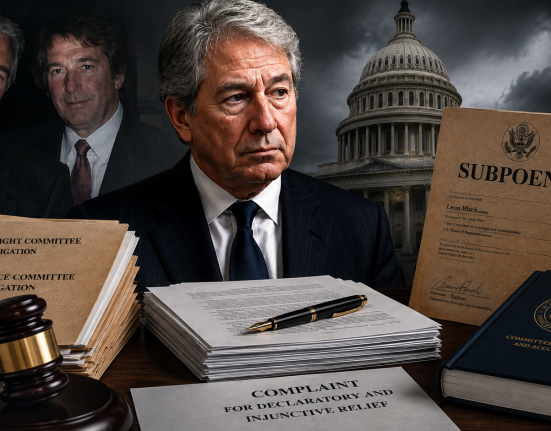
Steve Bannon was facing criminal charges related to contempt of Congress, stemming from his refusal to comply with a subpoena issued by the House select committee investigating the January 6, 2021, attack on the U.S. Capitol.
The core allegations included:
- Failure to appear for a deposition
- Failure to produce requested documents
- Defiance of a lawful congressional subpoena
Federal law makes contempt of Congress a criminal offense when a witness willfully refuses to comply without lawful justification. Bannon argued that executive privilege shielded him from compliance, even though he was no longer serving in government at the time of the subpoena.
Why Did the Justice Department Dismiss the Case?
According to court filings and DOJ statements, the department cited legal mootness and changed circumstances as the basis for dismissal.
Key factors include:
- Shifts in Congressional Authority
The House committee that issued the subpoena no longer exists in its original form, complicating the enforcement rationale. - Executive Privilege Claims
DOJ prosecutors acknowledged unresolved legal questions about how far executive privilege protections extend to former advisers — an issue that could weaken the case on appeal. - Resource and Precedent Considerations
The department may have concluded that continuing prosecution would consume significant resources with limited prospects for a definitive ruling.
Importantly, DOJ emphasized that dismissal does not equate to exoneration, but rather reflects prosecutorial discretion under current circumstances.
Can This Be Seen as Corruption?
Whether the dismissal constitutes corruption depends largely on interpretation.
Arguments That It May Signal Corruption or Political Influence
- Unequal Enforcement: Critics note that lower-profile individuals have faced aggressive prosecution for contempt or obstruction charges.
- Timing Concerns: The case’s dismissal amid broader political realignments raises suspicion about political pressure.
- Pattern Recognition: The move fits a broader narrative advanced by watchdog groups that politically connected figures face fewer consequences.
Arguments That It Does Not Constitute Corruption
- Legal Ambiguity: Courts have not definitively resolved the executive privilege questions at the center of the case.
- Prosecutorial Discretion: DOJ routinely dismisses cases when legal footing becomes uncertain.
- Separation of Powers Concerns: Forcing prosecution could itself be seen as politicizing the justice system.
At present, no evidence has been made public indicating direct political interference in the decision.
What Does the Justice Department Gain by Dropping the Case?
From an institutional perspective, DOJ may benefit in several ways:
- Avoiding Adverse Precedent: A loss in court could weaken future congressional subpoena enforcement.
- Reducing Political Exposure: The case had become a symbolic flashpoint rather than a narrowly legal dispute.
- Preserving Institutional Flexibility: DOJ avoids binding future administrations to a rigid interpretation of executive privilege.
However, these institutional benefits come with reputational risks.
Implications for Accountability and the Rule of Law
The dismissal reinforces concerns about asymmetry in accountability, especially for politically influential figures. Civil liberties advocates warn that repeated dismissals in high-profile cases could:
- Undermine deterrence against noncompliance with congressional oversight
- Erode public confidence in equal justice under the law
- Signal that legal consequences are negotiable for elite actors
At the same time, legal scholars caution against overstating the implications, noting that constitutional gray areas remain unresolved and that Congress retains civil enforcement options.
Broader Political and Legal Context
The case fits within a wider trend of contested authority between:
- Congress and the executive branch
- Federal prosecutors and political institutions
- Courts and unresolved constitutional doctrines
It also comes amid heightened scrutiny of DOJ independence, particularly as future administrations may face similar confrontations over subpoenas and oversight.
Conclusion
The Justice Department’s decision to dismiss the criminal case against Steve Bannon closes one chapter of post–January 6 accountability efforts but leaves unresolved questions about how the U.S. legal system handles politically sensitive cases.
Whether viewed as a prudent legal retreat or a troubling sign of selective enforcement, the episode underscores the fragility of public trust in institutions tasked with upholding the rule of law. The long-term impact may depend less on this single case and more on whether consistent standards are applied going forward — regardless of political affiliation.
References & Further Reading
- NBC News — Justice Department moves to dismiss Steve Bannon’s criminal case
https://www.nbcnews.com/politics/justice-department/justice-department-moves-dismiss-steve-bannons-criminal-case-rcna258243 - Congressional Research Service — Contempt of Congress and executive privilege
- Brookings Institution — Congressional oversight and subpoena enforcement
- American Bar Association — Prosecutorial discretion and political neutrality



Leave feedback about this
You must be logged in to post a comment.