
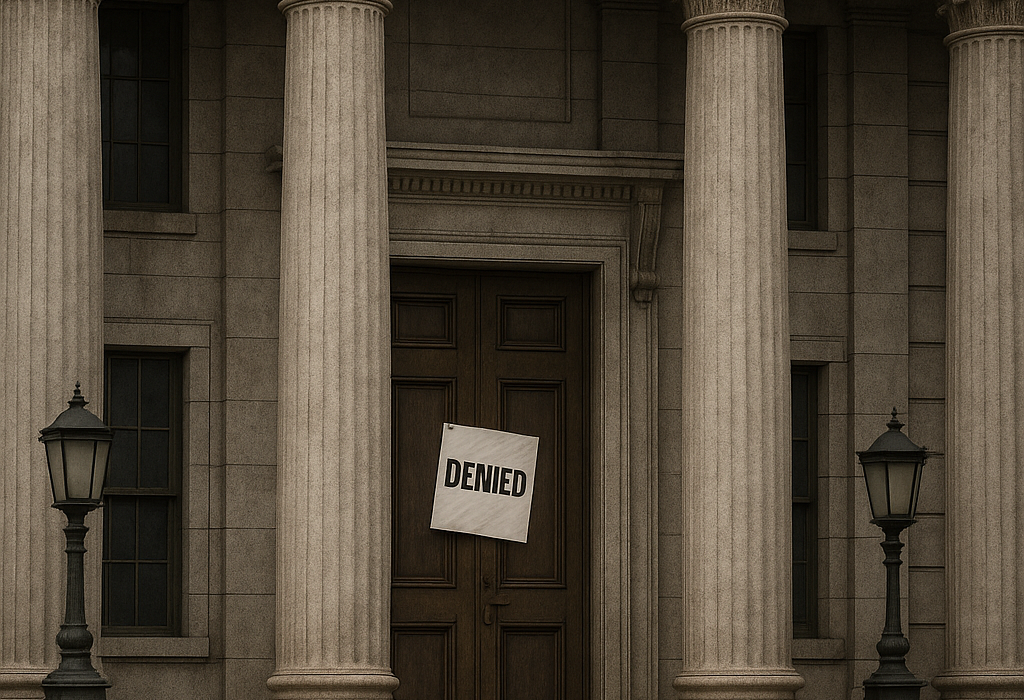
A federal grand jury in Norfolk, Virginia, delivered a significant setback to the Department of Justice on Thursday by declining to indict New York Attorney General Letitia James on alleged mortgage fraud charges. The decision comes only ten days after a federal judge dismissed an earlier indictment—not on evidentiary grounds, but due to the unlawful appointment of the U.S. attorney who brought the case.
The return of a “no true bill” represents an unusually direct rejection by everyday citizens of the DOJ’s renewed attempt to prosecute a prominent political figure. James, a known adversary of President Donald Trump and the official who led the civil fraud case against him in New York, has been a frequent target of Trump’s public calls for criminal prosecution.
Summary of Allegations and Dismissed Charges
Federal prosecutors alleged that James misrepresented a 2020 home purchase by claiming it was a second residence rather than an investment property to secure a more favorable mortgage rate, potentially saving her an estimated $19,000 over the duration of the loan.
The earlier indictment—pursued by Lindsey Halligan, a Trump ally appointed to serve as U.S. attorney for the Eastern District of Virginia—was thrown out when U.S. District Judge Cameron Currie ruled that Halligan’s appointment had no lawful basis. As a result, any action she took, including the indictments of both James and former FBI Director James Comey, was deemed invalid.
Despite the DOJ’s effort to quickly refile the case with a properly authorized prosecutor, the grand jury refused to advance the charges. Sources indicate that evidence presented failed to meet the threshold required to show intentional deception or personal financial gain at the level alleged.
Response and Legal Implications
Letitia James publicly thanked the grand jury for their decision, calling the allegations “baseless” and condemning what she characterized as politically motivated prosecution.
The DOJ did not comment on the outcome.
It remains uncertain whether prosecutors will attempt again to charge former FBI Director James Comey, who—like James—has argued in court filings that any charges against him are tainted by retaliatory motives originating from the White House.
Political and Judicial Context
The case underscores concerns raised by legal scholars and civil liberties groups about the politicization of federal law enforcement. The involvement of an unlawfully appointed prosecutor, the timing of Trump’s direct calls for prosecution of his political opponents, and the swift attempt to refile the case after the dismissal contribute to public perception of potential “weaponization” of the justice system.
For the DOJ, the grand jury’s refusal to indict raises questions not only about the strength of the evidence, but about the optics of pursuing a high-profile case that investigators themselves reportedly found contained weaknesses.
Pros and Cons of the Outcome
Pros:
- Reinforces the independence of grand juries as a safeguard against weak or politically motivated prosecutions.
- Underscores judicial checks on improper executive-branch appointments.
- Protects defendants from charges brought under questionable authority.
Cons:
- May fuel political narratives that the justice system is unevenly applied or inconsistent.
- Complicates future efforts to investigate legitimate financial misconduct among public officials.
- Could be interpreted as limiting the DOJ’s reach in politically sensitive cases.




Leave feedback about this
You must be logged in to post a comment.