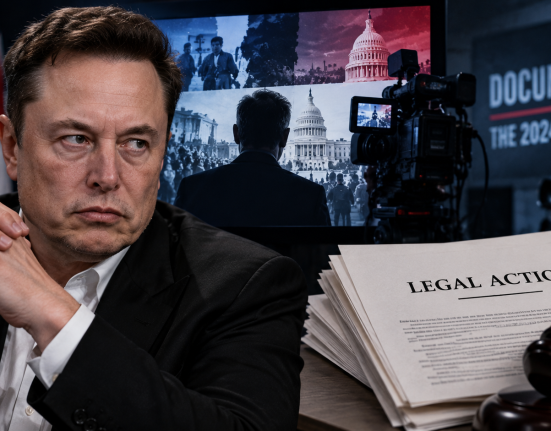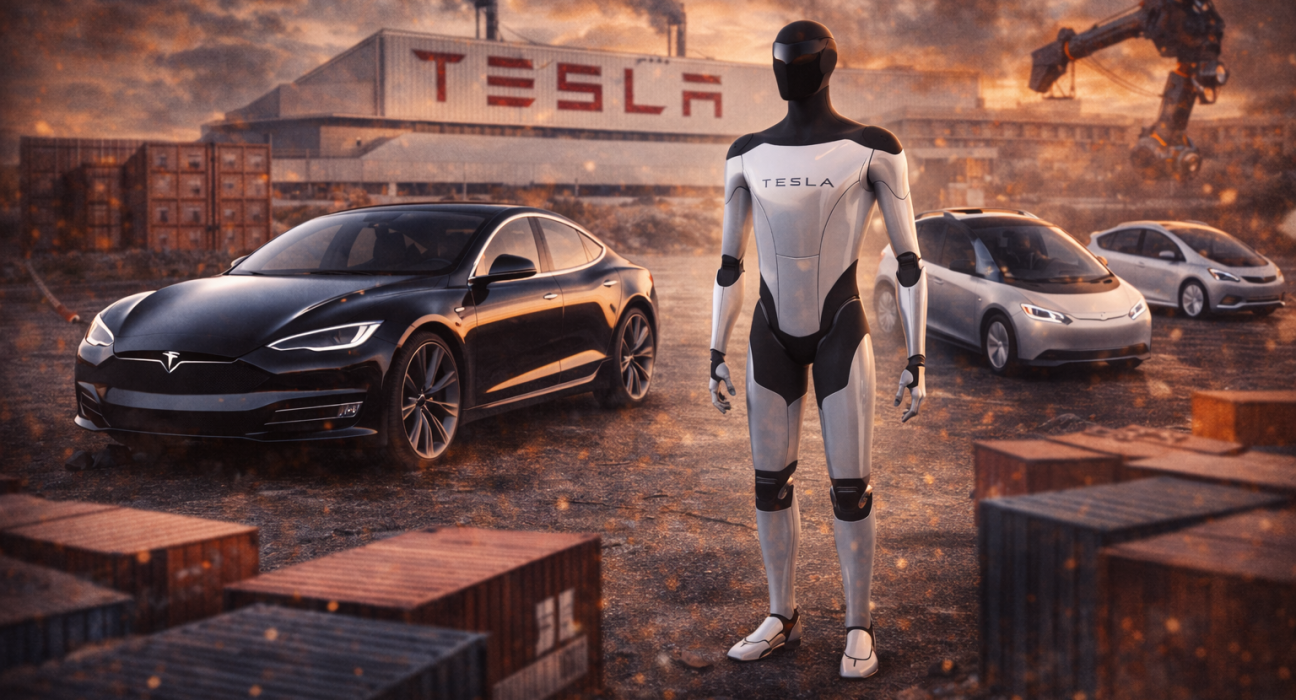
Tesla’s announcement that it will stop producing its premium Model S and Model X vehicles marks a significant pivot in the company’s strategy. According to Elon Musk, Tesla plans to reallocate manufacturing capacity toward robotics, artificial intelligence, and autonomous vehicle platforms, including humanoid robots and robotaxi-focused systems. The decision has sparked debate about Tesla’s long-term direction, declining consumer confidence in the brand, and how this shift may affect vehicle prices and sales across the broader auto market.
What Robots Is Tesla Building?
Tesla’s robotics push centers on two primary initiatives:
1. Optimus Humanoid Robot
Tesla’s Optimus robot is designed as a general-purpose humanoid intended for repetitive or dangerous tasks in factories, warehouses, and potentially homes. Musk has claimed Optimus could eventually:
- Perform manufacturing and logistics work
- Reduce labor shortages
- Become a mass-market consumer product
While prototypes have been demonstrated, Optimus remains pre-commercial, with limited real-world deployment. Industry analysts note that humanoid robotics is still a highly experimental field with uncertain timelines for profitability.
2. Robotaxi and Autonomous Systems
Tesla is also redirecting resources toward fully autonomous driving platforms, including vehicles purpose-built for ride-hailing services. These systems rely on:
- Advanced AI vision models
- Large-scale data training
- Centralized fleet management
This strategy aligns with Tesla’s long-standing goal of monetizing autonomy through recurring revenue rather than traditional car sales.
Why Are Tesla’s Legacy Models Losing Support?
The Model S and X once symbolized Tesla’s innovation leadership, but several factors have eroded their relevance:
- Aging designs: Despite refreshes, both models face stiff competition from newer luxury EVs with more modern interiors and features.
- Shrinking demand: Sales volumes for S and X have declined compared to Model 3 and Model Y, which dominate Tesla’s deliveries.
- High production costs: Low-volume premium vehicles are less efficient to manufacture compared to mass-market platforms.
- Brand fatigue: Repeated delays in autonomy promises and frequent price changes have weakened consumer trust.
Tesla appears to be prioritizing scalability and software-driven revenue over maintaining niche luxury offerings.
Is This a Sustainable Business Strategy?
The sustainability of Tesla’s pivot depends on execution and timing.
Potential Advantages
- Higher margins: Software, autonomy subscriptions, and robotics could deliver higher margins than car manufacturing.
- Recurring revenue: Robotaxis and AI services align with predictable, subscription-based income.
- Reduced manufacturing complexity: Fewer vehicle models can streamline operations.
Key Risks
- Unproven markets: Humanoid robots and full autonomy have not yet demonstrated mass-market viability.
- Regulatory barriers: Autonomous vehicles face legal and safety hurdles globally.
- Capital intensity: Robotics and AI development require sustained investment without guaranteed returns.
- Brand dilution: Moving away from consumer vehicles risks alienating loyal customers.
Many analysts caution that Tesla is shifting from a manufacturing-led company to a speculative AI platform, which increases volatility.
How Will This Affect Car Sales and Pricing?
Short-Term Effects
- Higher prices for remaining models: Reduced product diversity could concentrate demand, limiting discounts.
- Used Model S/X price volatility: Scarcity may briefly boost resale values, followed by decline as support and updates fade.
- Greater competition pressure: Rivals may capture former Tesla luxury buyers.
Medium-Term Effects
- Focus on Model 3/Y: Tesla’s sales will rely heavily on these vehicles, increasing sensitivity to pricing and competition.
- Potential robotaxi cannibalization: If autonomous fleets succeed, individual ownership demand could soften.
Long-Term Outlook
If Tesla successfully transitions to autonomy and robotics, car sales could become a secondary business. If not, reduced vehicle diversity may limit growth and pricing power.
Why Public Support Is Declining
Tesla’s brand challenges are not purely product-related. Surveys and market research point to:
- Frustration over changing pricing strategies
- Skepticism about autonomy timelines
- Concerns over quality control and service availability
- Polarization surrounding Elon Musk’s public role
Combined with the discontinuation of iconic models, these factors have contributed to waning consumer confidence.
Pros and Cons of Tesla’s Pivot
Pros
- Potential for transformative technology leadership
- Higher-margin software and AI revenue
- Reduced dependence on cyclical auto sales
Cons
- High execution risk
- Regulatory uncertainty
- Loss of premium brand identity
- Near-term revenue instability
Conclusion
Tesla’s decision to stop producing the Model S and X reflects a fundamental shift in strategy — away from being primarily a car company and toward becoming an AI and robotics platform. While the potential upside is substantial, the risks are equally significant. For consumers, the change may lead to fewer vehicle choices and greater price volatility. For investors and the broader auto industry, Tesla’s bet raises a central question: can futuristic technology replace the reliability of selling cars at scale?
References & Further Reading
NBC News — Elon Musk says Tesla will stop producing Model S and X
https://www.nbcnews.com/business/autos/elon-musk-says-tesla-will-stop-producing-s-x-models-shifts-making-robo-rcna256409
Reuters — Tesla autonomy and robotaxi strategy
https://www.reuters.com
Bloomberg — Tesla Optimus and robotics ambitions
https://www.bloomberg.com
McKinsey — Economics of autonomous vehicles and robotics
https://www.mckinsey.com
Consumer Reports — Tesla reliability and owner satisfaction
https://www.consumerreports.org