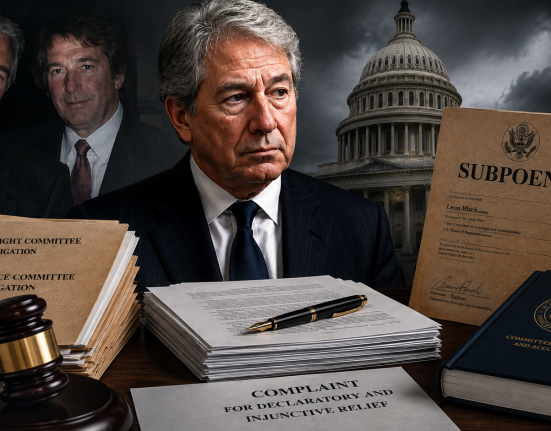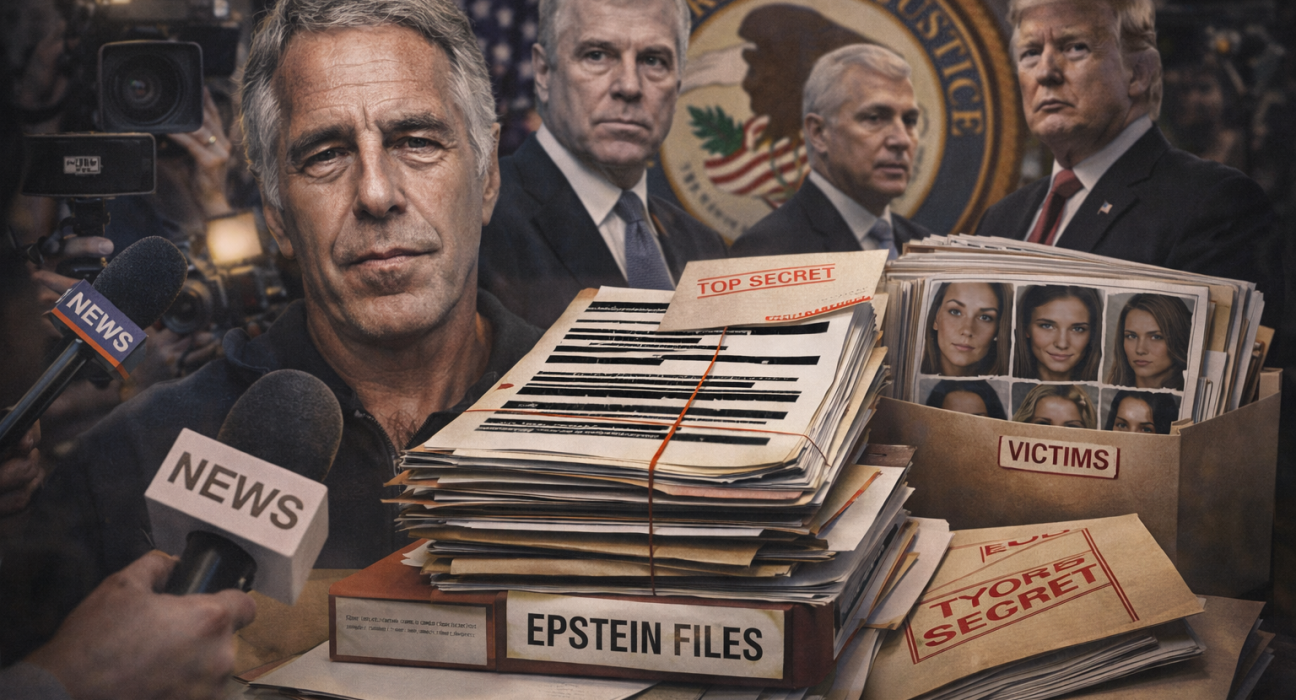
The release of long-awaited records related to Jeffrey Epstein has renewed public scrutiny over transparency, accountability, and the limits of the U.S. justice system. According to reporting by The Guardian, the Trump administration’s Department of Justice (DOJ) has now released a substantial tranche of Epstein-related materials — but questions persist about whether these constitute all existing files, why disclosure took so long, and what consequences, if any, may follow for Congress, prosecutors, or individuals connected to the case.
Are These All the Epstein Files?
Based on available reporting and official statements, the answer appears to be no — not definitively.
The DOJ has stated that it released records required under the newly passed Epstein Files Transparency Act, which created a narrow legal pathway to unseal materials previously protected by grand jury secrecy rules. However, courts and prosecutors have emphasized that:
- Grand jury materials are inherently limited in scope
- Many investigative files were never part of federal grand jury proceedings
- Significant records remain protected under privacy laws, sealed settlements, or ongoing legal restrictions
Judges overseeing the unsealing process have cautioned that the released materials do not identify additional perpetrators, do not list alleged “clients,” and do not reveal new criminal conduct beyond what is already publicly known about Epstein and Ghislaine Maxwell.
In short, the released documents are real, official, and historically important, but they are not a comprehensive accounting of all evidence gathered across decades of investigations at the federal, state, and civil levels.
Why Did Disclosure Take So Long?
The delay stems from a combination of legal, institutional, and political factors:
- Grand Jury Secrecy Laws
U.S. law places strict limits on releasing grand jury transcripts to protect witnesses, preserve due process, and prevent reputational harm to uncharged individuals. Courts have historically allowed unsealing only in rare circumstances. - Fragmented Jurisdiction
Epstein was investigated by multiple entities over decades — including Florida state authorities, federal prosecutors in Florida and New York, and civil courts. No single agency controlled all records. - Epstein’s 2019 Death
Epstein’s death in federal custody halted criminal proceedings, complicating the legal justification for disclosure and reducing prosecutorial leverage. - Political Sensitivity
Epstein’s associations with wealthy, powerful, and politically connected individuals created bipartisan sensitivity around disclosure, contributing to institutional caution. - Recent Legislative Change
Only after sustained public pressure did Congress pass legislation compelling the DOJ to release certain materials. Judges who had previously denied unsealing requests reversed course once the law changed.
What This Means for Congress
The Epstein files saga may drive several changes within Congress:
- Transparency Legislation: Lawmakers may pursue broader reforms governing grand jury secrecy in cases of exceptional public interest.
- Oversight of DOJ Discretion: Congressional committees could examine how prosecutorial decisions and plea agreements — such as Epstein’s 2008 non-prosecution deal — were reached.
- Victims’ Rights Protections: There may be renewed efforts to strengthen notification and participation rights for victims in federal cases.
However, significant reform faces resistance from legal experts who warn that weakening grand jury secrecy could undermine the justice system more broadly.
Will There Be Arrests?
At present, new arrests appear unlikely, based on publicly available information.
Key constraints include:
- Statutes of limitation: Many alleged crimes occurred decades ago and may no longer be prosecutable.
- Lack of new evidence: Judges and prosecutors have stated the released materials do not identify new offenders or criminal acts.
- Prior civil resolutions: Some allegations were addressed through settlements, which do not establish criminal liability.
That said, legal analysts note that arrests are not impossible if:
- New evidence emerges independently of the released files
- Witnesses come forward with corroborated testimony
- Separate jurisdictions identify prosecutable offenses
Historically, major accountability breakthroughs in abuse cases often occur years later, driven by new reporting or whistleblowers rather than document releases alone.
Public Reaction and Trust
The release has produced mixed public reactions:
- Some view it as overdue transparency
- Others see it as incomplete or anticlimactic
- Many express frustration that systemic failures remain unaddressed
Legal experts caution that unrealistic expectations about “explosive revelations” may distract from the more substantive issue: how Epstein avoided accountability for so long, and how institutions failed victims.
Pros of the Disclosure
- Establishes a legal precedent for transparency
- Confirms official acknowledgment of past failures
- Provides historical clarity for researchers and journalists
- Signals responsiveness to public pressure
Cons and Limitations
- Does not identify new perpetrators
- Risks retraumatizing victims without delivering justice
- May fuel misinformation if misunderstood
- Leaves many records still sealed or dispersed
Future Outlook
Short Term:
Congressional hearings and renewed media scrutiny are likely, but dramatic legal action is improbable.
Medium Term:
Policy reforms around plea agreements, victim notification, and prosecutorial oversight may gain traction.
Long Term:
The Epstein case may become a reference point for reform debates — similar to Watergate or the Catholic Church abuse scandals — shaping how institutions handle elite accountability.
Conclusion
The Epstein file releases mark a significant but limited step toward transparency. They clarify aspects of what the government knew and did — but they do not resolve the deeper question of how systemic safeguards failed so profoundly. Whether meaningful reform follows will depend less on the documents themselves and more on sustained political will, legal change, and public accountability.
References & Further Reading
The Guardian – DOJ releases Epstein files after years of secrecy
https://www.theguardian.com/us-news/2026/jan/19/jeffrey-epstein-files-unreleased-trump-doj
Associated Press – Epstein investigations and transparency law coverage
https://apnews.com
Reuters – Legal analysis of Epstein plea deal and aftermath
https://www.reuters.com
U.S. Courts – Grand jury secrecy and disclosure standards
https://www.uscourts.gov
Brennan Center for Justice – Prosecutorial discretion and accountability
https://www.brennancenter.org