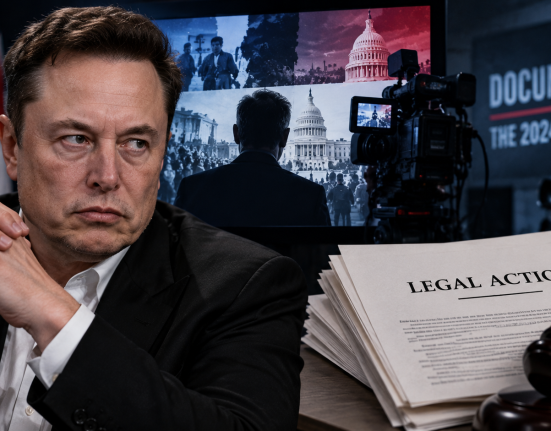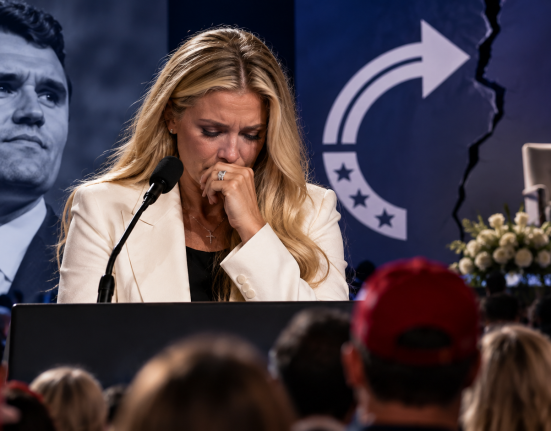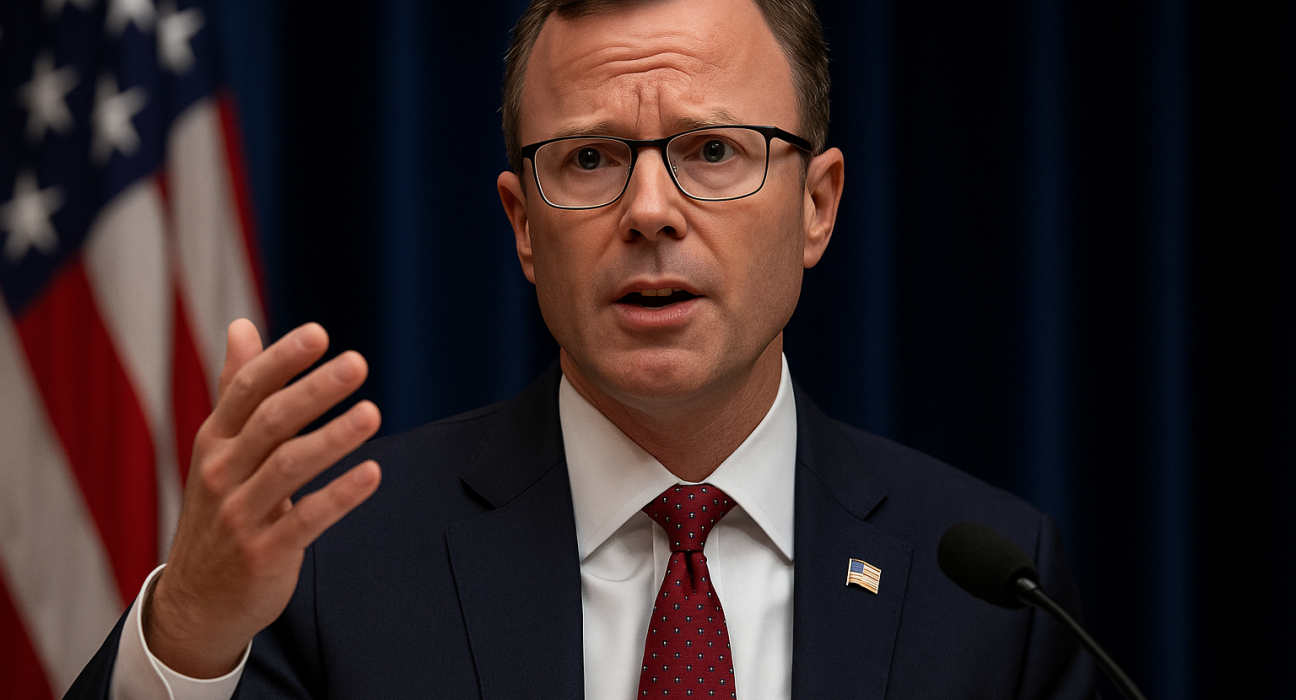
- Brendan Carr’s Involvement with Project 2025: Brendan Carr, who is the current Federal Communications Commission (FCC) Chair, contributed to the chapter on the FCC in Project 2025, a policy blueprint by the Heritage Foundation that lays out a conservative agenda for a second Trump administration.
- Tweet / GIF implying connection: After Jimmy Kimmel was pulled off the air by ABC (affiliates pre-empting the show, etc.), Carr responded to claims that these actions were connected to Project 2025 by posting a GIF, which critics say implied agreement or confirmation of the connection.
- “Project 2025”’s vision for media/regulation: Among its many policy ideas, Project 2025 includes proposals to reshape federal regulatory bodies like the FCC. Some aims include increasing executive influence over media regulation, reducing certain legal protections for platforms (e.g., around content moderation or “free speech” claims), and enforcing stricter interpretations of what is required of broadcasters under “public interest” rules.
- Current actions by Carr / FCC: In his role, Carr has publicly pressured broadcasters (e.g. ABC, affiliates) over content he views as politically biased or misleading, or that mischaracterizes political events (e.g. Jimmy Kimmel’s monologue about Charlie Kirk) as misinforming the public. He has also suggested that broadcasters or media programs critical of the administration might lose some regulatory privileges, or need to conform to stricter standards.
- Criticism from commentators and experts: Legal and media experts argue that Carr’s behavior borders on coercive regulation of content — i.e. using regulatory authority (broadcast licenses, public interest obligations, etc.) to influence what media outlets say. Critics warn this could suppress dissent or chill free speech. Supporters argue that Carr is enforcing fairness and pushing back against what they see as liberal bias in media.
Key Points / Highlights
- Project 2025 is a blueprint that includes media regulation reforms; Carr was a contributor to its FCC portion.
- The ABC/Jimmy Kimmel controversy has become a flashpoint in the debate over media content, public interest regulation, and FCC authority.
- Carr used public statements, hints, and regulatory pressure — possibly legal tools around licensing or equal-time rules — to push media companies to act in response to perceived bias.
- The debate is now not just about one show, but about what standards and definitions (public interest, bona fide news, equal time, etc.) should apply, and who picks them.
What It May Mean Going Forward — Potential Pros & Cons
| Potential Upsides | Potential Downsides |
|---|---|
| May lead to clearer regulation & more consistent standards for broadcasters around bias, misinformation, or content that could mislead the public. | Risk of regulatory overreach or censorship: media outlets might self-censor to avoid running afoul of regulators, even when commentary is legitimate political expression. |
| Could increase accountability in media: broadcasters may have to be more transparent about corrections, fact checks, or how they handle contentious political content. | Weakening of broadcaster independence: the pressure from regulatory authorities might reduce diversity of viewpoints, especially critical voices, or shift them toward safer, more government-friendly messaging. |
| If handled carefully and with oversight, the changes could help reduce polarization if people perceive media is held to consistent standards regardless of political leaning. | Erosion of public trust if the regulations or their enforcement are perceived as partisan, inconsistent, or used to punish critics rather than enforce fairness. |
| Might push Congress or courts to more clearly define what “public interest” means, and to delineate FCC powers and limits, which could clarify legal boundaries and reduce gray areas. | Legal challenges: many of the regulatory tools Carr appears to be using (e.g. threats around licensing, public interest standard enforcement, equal time rules) may face constitutional challenges. Courts might find some applications violate free speech protections. |