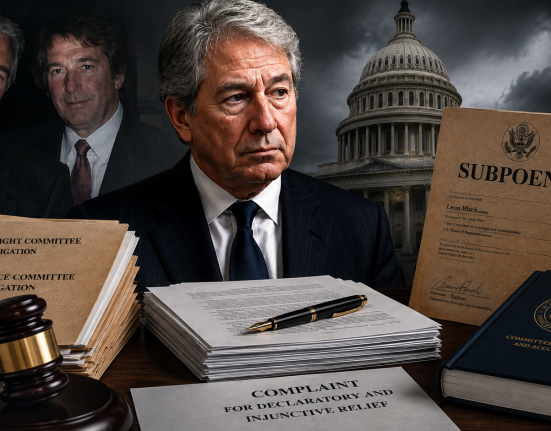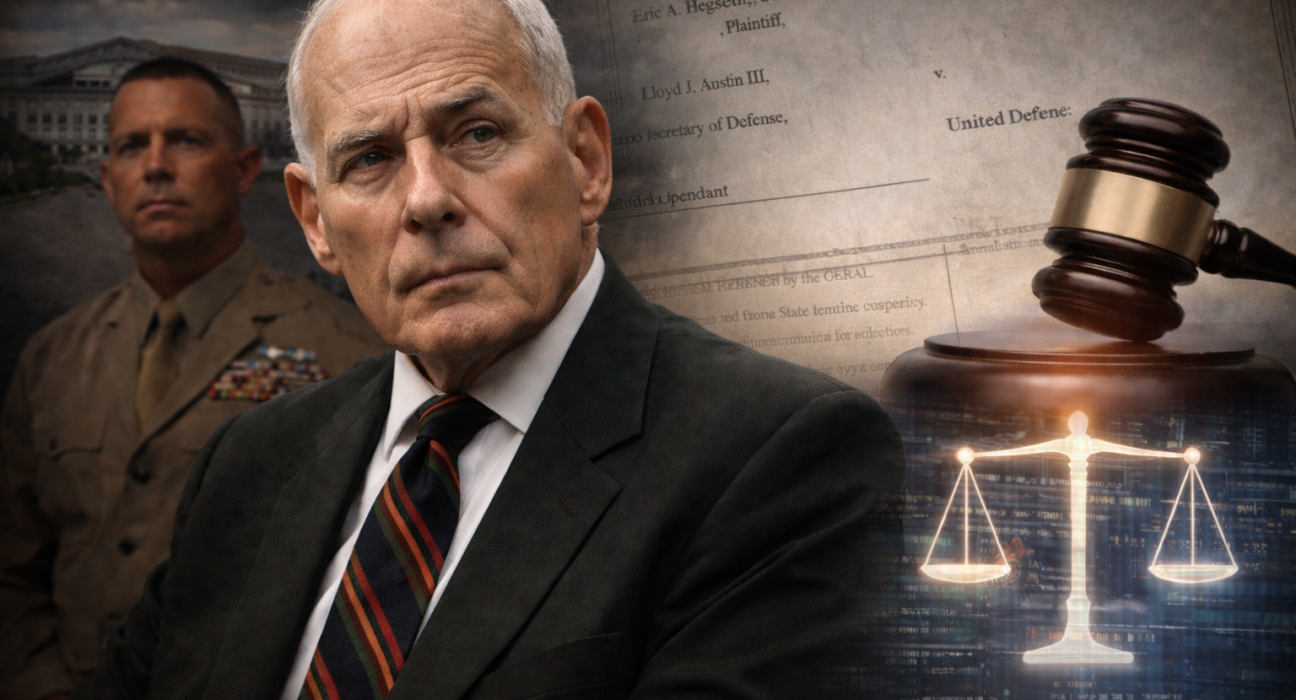
A report from Associated Press details a lawsuit involving the Pentagon and Defense Secretary Kelly Hegseth, alleging that certain directives issued under current leadership may violate federal law or constitutional protections. The legal action raises questions about executive authority, civilian control of the military, and the limits of lawful military orders.
According to AP reporting, the lawsuit was filed by current or former service members and/or associated parties who argue that specific orders or policy directives exceed lawful authority. While the article centers on procedural and legal disputes, the broader context involves ongoing debates about the role of the Department of Defense in politically sensitive or constitutionally constrained areas.
Core Allegations
The plaintiffs reportedly argue that certain directives:
• Conflict with statutory limitations on military authority
• Violate service members’ constitutional protections
• Potentially compel compliance with orders that may be unlawful
The lawsuit seeks judicial clarification and potentially injunctive relief to prevent enforcement of contested directives. The plaintiffs are not challenging routine military command authority but rather alleging that specific actions exceed legal boundaries.
The Department of Defense has not publicly conceded wrongdoing and maintains that all actions taken are consistent with lawful authority and national security obligations.
Broader Legal Context
Military law operates within a framework governed by:
• The U.S. Constitution
• The Uniform Code of Military Justice (UCMJ)
• Federal statutes governing defense authority
• Supreme Court precedent on executive power
Historically, courts have shown deference to executive authority in military matters, especially when national security is invoked. However, that deference is not absolute. Courts have intervened in cases involving constitutional rights, discrimination claims, or statutory overreach.
Legal scholars note that disputes over “illegal orders” are relatively rare but not unprecedented. The UCMJ explicitly requires service members to refuse manifestly unlawful orders, though determining what qualifies as unlawful often requires judicial interpretation.
Political and Institutional Context
The lawsuit emerges during a period of heightened political polarization surrounding military leadership and defense policy. Congressional oversight committees have increasingly scrutinized executive decisions affecting military operations, personnel policies, and domestic roles of armed forces.
Recent years have seen litigation related to:
• Deployment of National Guard forces
• Military personnel policy changes
• Vaccine mandates
• Border security roles
• Domestic law enforcement cooperation
Although the AP article focuses on the specific case, analysts view it within a broader trend of legal challenges testing executive authority in defense matters.
Institutional Implications
If courts determine that the contested orders exceed lawful authority, potential consequences could include:
• Suspension or modification of policies
• Clarified limits on executive defense directives
• Increased congressional oversight
• Internal Pentagon policy revisions
If the court dismisses the case or sides with the Department of Defense, it may reinforce executive latitude in directing military operations.
Pros (If Judicial Review Proceeds)
• Strengthened Legal Clarity – Courts may clarify boundaries of lawful military authority.
• Constitutional Reinforcement – Judicial oversight affirms checks and balances.
• Guidance for Service Members – Clear rulings help define obligations regarding contested directives.
• Institutional Accountability – Reinforces that military leadership remains subject to civilian law.
Cons (Potential Risks)
• Operational Disruption – Ongoing litigation may complicate command decisions.
• Politicization of Military Leadership – Legal disputes can deepen partisan narratives.
• Morale Concerns – Uncertainty around lawful orders may affect troop confidence.
• Precedent Sensitivity – Court rulings could reshape long-standing executive-military dynamics.
Comparative Reporting and Broader Media Context
Other outlets have noted that legal disputes involving defense directives often hinge on narrow statutory interpretation rather than broad constitutional crises. Legal analysts cited in related reporting emphasize that courts generally avoid intervening in operational military matters unless clear statutory violations are demonstrated.
Scholars in civil-military relations also note that the U.S. system is designed to balance strong civilian control with lawful restraint. Disputes over authority often reflect tension between evolving policy priorities and established legal frameworks.
Future Projections
- Judicial Clarification Likely – Courts may issue narrow rulings focused on statutory interpretation rather than sweeping constitutional judgments.
- Increased Congressional Oversight – Lawmakers could request hearings or introduce clarifying legislation.
- Pentagon Internal Review – Even absent a ruling, internal compliance reviews may occur.
- Precedent Setting – The case may influence how future administrations craft defense directives.
- Broader Executive Authority Debate – The outcome could intersect with ongoing national debates over executive power.
Conclusion
The lawsuit against the Pentagon and Defense Secretary Kelly Hegseth represents a significant but procedurally focused legal challenge within the U.S. civil-military framework. While the allegations concern the legality of specific directives, the broader issue centers on how constitutional boundaries and statutory authority constrain executive leadership of the armed forces.
The ultimate outcome will depend on judicial interpretation, evidentiary findings, and statutory analysis. Regardless of the verdict, the case highlights the importance of legal guardrails within national defense governance.
References
- Associated Press – Pentagon Kelly Hegseth illegal orders lawsuit
https://apnews.com/article/pentagon-kelly-hegseth-illegal-orders-lawsuit-210024d0b2d5bd5c8f3c890ba934f608