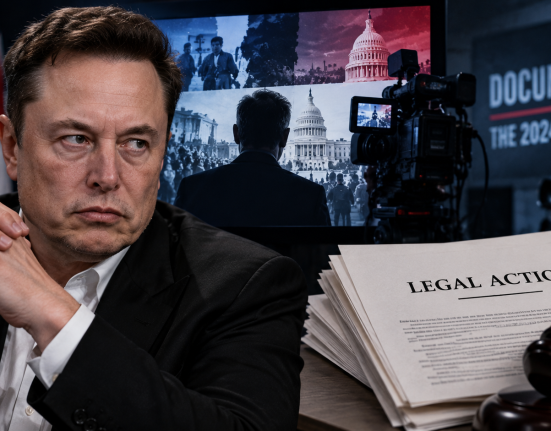
The U.S. Supreme Court announced it will hear a case testing whether President Donald Trump has the power to fire an independent agency commissioner at will. The case stems from Trump’s removal of Federal Trade Commissioner (FTC) Alvaro Bedoya earlier in 2025.
Traditionally, independent agency commissioners (FTC, FCC, SEC, etc.) serve fixed terms and can only be removed for “cause,” usually defined as neglect of duty or malfeasance. This precedent goes back to the Supreme Court’s 1935 Humphrey’s Executor v. United States decision, which limited presidential removal powers to preserve agency independence.
Trump, however, fired Bedoya citing “policy disagreements,” asserting presidents should have full authority to remove commissioners. His administration argues that the 1935 precedent is outdated and unconstitutional, giving unelected bureaucrats too much power.
Legal arguments:
- Administration’s position: Trump’s lawyers argue that presidents must control all executive branch officials to ensure accountability. They say limits on removal power violate separation of powers.
- Opponents’ position: Bedoya and others argue that overturning the precedent would strip agencies of independence, turning watchdogs like the FTC into partisan tools.
Broader implications:
If the Court sides with Trump, it could give presidents sweeping control over independent agencies that regulate everything from banking and communications to consumer protection. Critics warn it would undermine checks designed to prevent political influence in technical and regulatory decisions.
Court dynamics:
The Court’s conservative majority has shown interest in expanding executive power and revisiting precedents. A decision is expected by June 2026.
Main Points
- Trump fired FTC Commissioner Alvaro Bedoya, citing policy disagreements.
- This challenges the 1935 Humphrey’s Executor ruling, which restricts presidential removal of commissioners.
- The Supreme Court will decide whether presidents can remove independent agency heads at will.
- Outcome could reshape balance of power between White House and independent regulators.
- A ruling is due by June 2026.
Projections
Potential Positive Outcomes (Pro):
- Clearer accountability: Presidents could more directly shape policy and be held responsible for agency decisions.
- Faster policy implementation: Future administrations could align regulators with their agendas quickly.
- Reduced gridlock: Less conflict between White House priorities and independent commissions.
Potential Negative Outcomes (Con):
- Loss of independence: Agencies like the FTC, FCC, or SEC could become partisan tools, undermining credibility.
- Regulatory instability: Frequent changes in leadership could disrupt markets and reduce investor confidence.
- Concentration of power: Expanding presidential authority may erode checks and balances, raising constitutional concerns.
Sources
- AP News – Supreme Court will consider expanding Trump’s firing powerapnews.com
- Humphrey’s Executor v. United States (1935) precedent
- Statements from Trump administration and Bedoya’s legal team (as reported in AP)