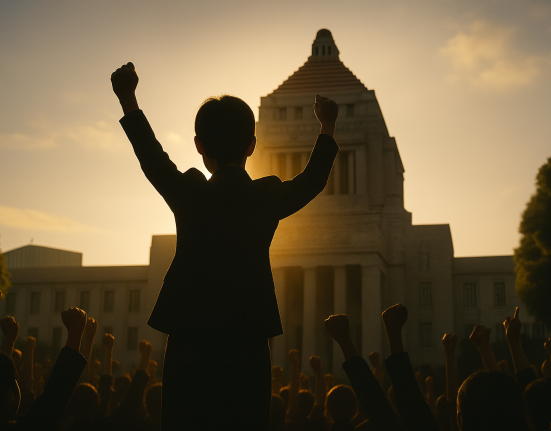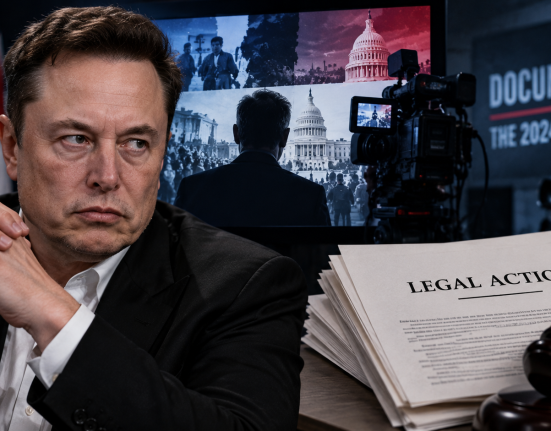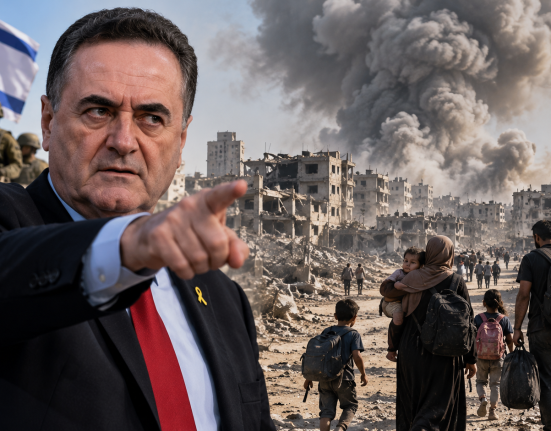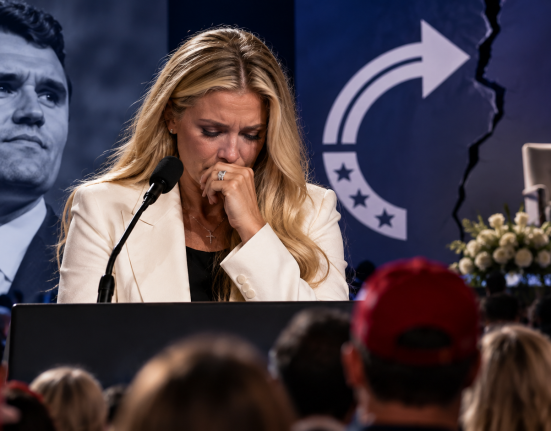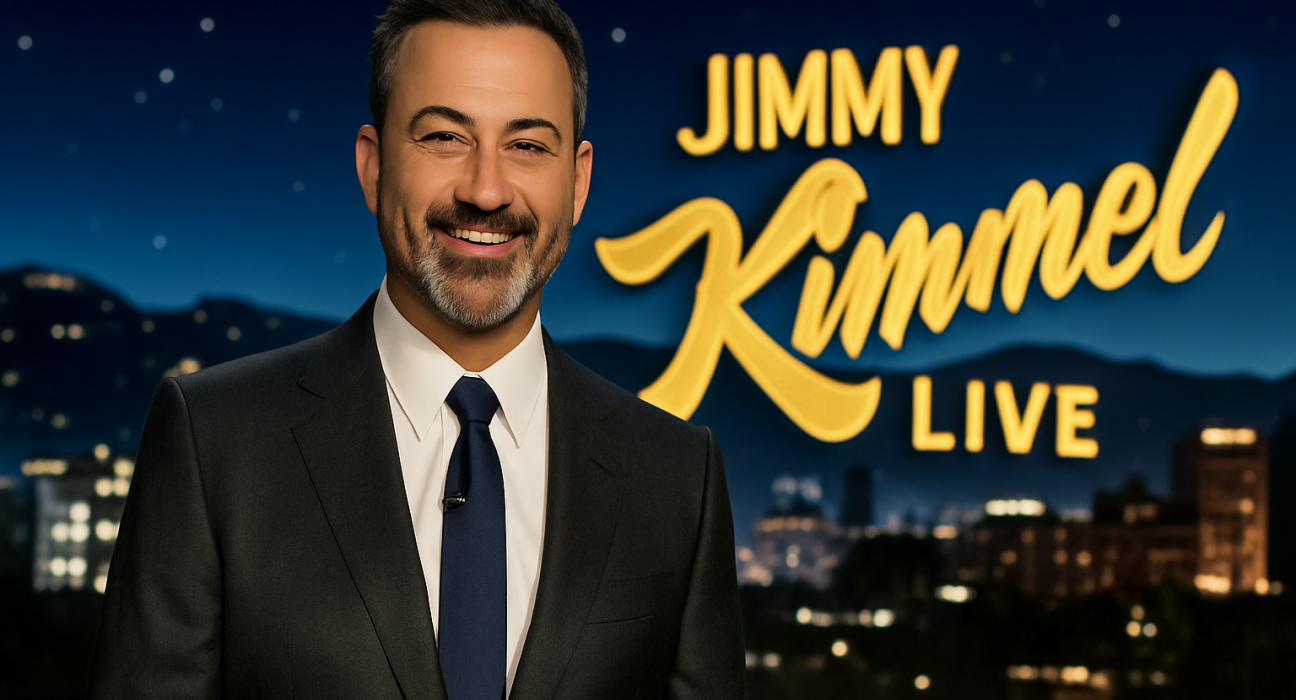
- ABC suspended Jimmy Kimmel Live! indefinitely beginning September 17, 2025, after host Jimmy Kimmel made comments in his monologue about Charlie Kirk’s death.
- The show’s removal was prompted in part by Nexstar Communications, a major group of ABC affiliates, which said it would drop the show from its stations, calling Kimmel’s remarks “offensive and insensitive.”
- FCC Chairman Brendan Carr criticized the remarks, characterizing them as misleading and threatening regulatory action unless ABC responded.
- President Donald Trump publicly praised ABC’s decision, saying Kimmel “said a horrible thing” and should have been fired earlier.
What Was Said
- Kimmel, in a recent monologue, criticized what he perceived as attempts by some in the MAGA movement to politicize the killing of Charlie Kirk. He accused them of trying to characterize the shooter in a way that aligned with their politics.
- There is dispute about whether the statements Kimmel made were accurate in terms of the known facts regarding the shooter’s motives or political affiliation. Law enforcement statements brought forward conflicting information about whether the shooter’s views aligned with the political group Kimmel referenced.
Reactions
- Several Hollywood figures (comedians, actors) and free speech advocates condemned the suspension, calling it censorship or an attack on free expression.
- Some broadcasters and station owners supported pulling the show, citing concerns about the content being “offensive,” “insensitive,” or misaligned with audience values and community standards.
- Political reactions were sharply divided. Supporters of the suspension praised it as accountability; opponents warned about chilling effects on political commentary
What It Means: Potential Implications
Below are possible outcomes (both positive and negative) given this development.
Pros
- Stronger Accountability in Broadcasts
Broadcasters may become more cautious about airing politically charged commentary that could mislead or cause controversy, possibly leading to more thorough fact-checking or editorial oversight. - Clearer Standards
This event could prompt networks, affiliates, and regulators (like the FCC) to clarify what’s considered acceptable in politically exposed talk or late night commentary, perhaps resulting in more consistent guidance. - Heightened Awareness of Platform Power
Audiences, creators, and media professionals may reflect more on how narrative framing in talk shows influences public perception, especially in sensitive political or national events.
Cons
- Risk to Free Speech / Chilling Effect
Critics argue that pulling a show for political commentary sets a precedent that could deter hosts or entertainers from engaging in political critique out of fear of reprisal or loss of platform. - Polarization Intensifies
These kinds of suspensions may deepen divides, with different political camps interpreting the action either as justified or as suppression—fueling distrust in media or regulatory fairness. - Potential for Political Pressure on Media
If regulatory threats become more commonplace (i.e., FCC actions or license threats tied to content), media organizations may feel increased political risk in expressing views, even if they are lawful. - Ambiguity Over Truth & Responsibility
When statements are made about political motivations or affiliations without full verification, controversies arise. Misstatements can erode trust; but suppressing commentary before clarity may hamper honest public debate.