A series of recent developments across domestic politics and international relations suggests increasing pressure surrounding Donald Trump. Reports from multiple outlets—including the Kyiv Independent, The Daily Beast, and PennLive—point to a convergence of challenges: strained alliances, public backlash, legal controversy, and growing scrutiny over leadership capacity.
The latest addition—a report that Trump was booed at the Kennedy Center—adds a visible, symbolic dimension to broader trends reflected in public opinion data and polling.
Public Backlash: Kennedy Center Incident
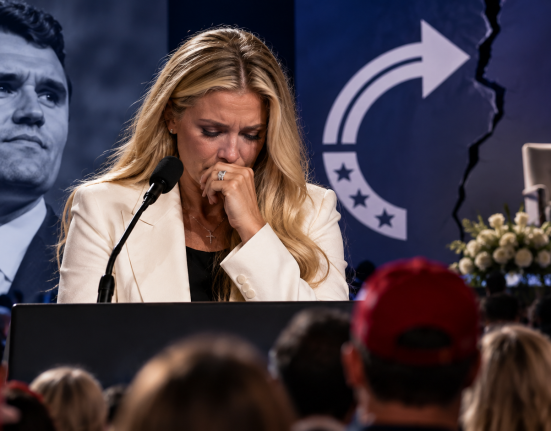
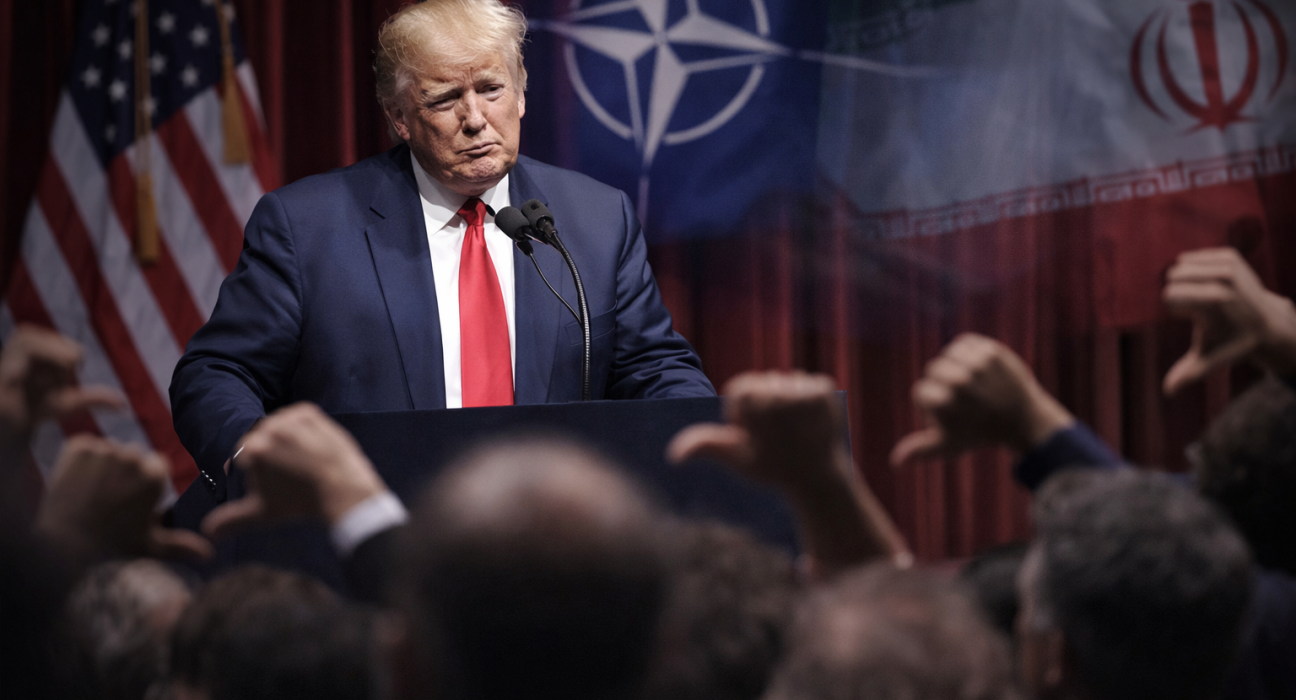
According to The Daily Beast, Trump was met with loud boos during an appearance at the Kennedy Center, a major cultural venue in Washington, D.C.
While public protests and vocal opposition are not uncommon for political figures, especially during periods of controversy, the incident reflects:
- Heightened polarization in public spaces
- Increasing willingness of audiences to express political sentiment openly
- Cultural venues becoming arenas for political expression
Such moments, while anecdotal, often serve as visible indicators of broader public sentiment, particularly when they align with polling trends.
Approval Ratings: Where Public Opinion Stands
Recent polling averages from organizations such as Gallup, Pew Research Center, and aggregators like FiveThirtyEight suggest that Trump’s approval ratings have remained consistently polarized, with net approval often in negative territory.
Typical recent ranges indicate:
- Approval ratings hovering in the low-to-mid 40% range
- Disapproval ratings often exceeding 50%
- Strong support within core voter base, but limited crossover appeal
Political analysts note that:
- Approval ratings tend to reflect partisan alignment more than policy specifics
- Major events—such as wars or economic shifts—can influence short-term changes
- Sustained polarization reduces volatility in polling trends
The Kennedy Center reaction aligns with this broader pattern: strong support among some groups, strong opposition among others.
NATO Rift and International Tensions
At the same time, international developments continue to place pressure on U.S. alliances.
Reporting from the Kyiv Independent indicates Trump has considered withdrawing from NATO amid disagreements with European allies over the Iran war.
Key tensions include:
- European refusal to participate in military operations
- Disputes over use of bases and airspace
- Concerns about unilateral decision-making
Experts emphasize that leaving NATO would require congressional approval, making a full withdrawal legally complex. However, even signaling reduced commitment could weaken alliance cohesion.
Legal and Political Controversy
Domestic legal tensions also remain part of the broader picture.
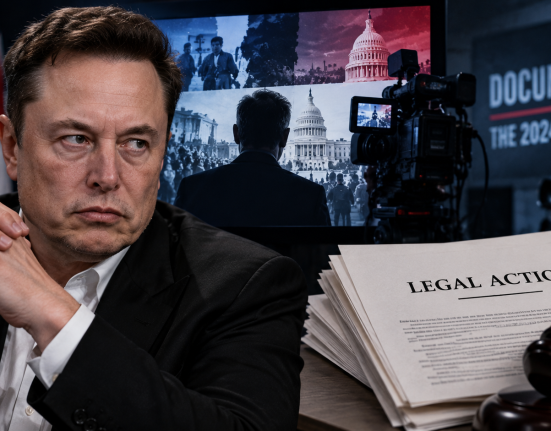
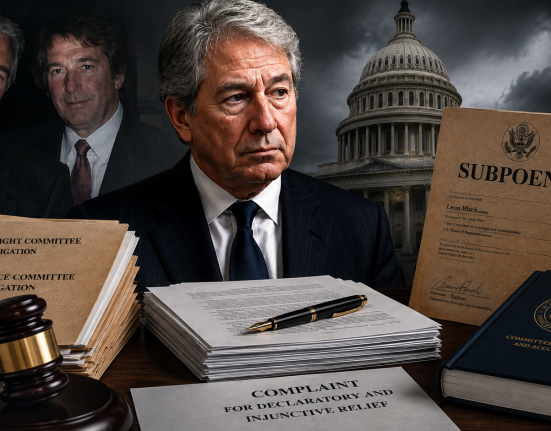
Reports from The Daily Beast describe contentious courtroom or hearing-related moments involving Trump, reflecting ongoing legal challenges that continue to draw public attention.
While details vary across reports, such proceedings contribute to:
- Media focus on legal accountability
- Public debate over executive authority
- Increased scrutiny of political leadership
High-profile legal cases often intersect with public opinion, influencing how leadership is perceived.
Health and Cognitive Discussions
Another dimension comes from reporting by PennLive, which cited a former supporter raising concerns about Trump’s cognitive condition.
These claims remain:
- Based on individual opinion
- Not supported by publicly released medical evaluations
- Part of a broader pattern where political figures’ health becomes a topic of public debate
Experts caution that such discussions should be distinguished from verified medical information.
Broader Context: Converging Pressures
Taken together, these developments highlight a convergence of pressures:
Domestic
- Public backlash and visible protest moments
- Legal scrutiny and media coverage
- Polarized approval ratings
International
- Strained alliances, particularly within NATO
- Disagreements over military strategy
- Questions about U.S. global leadership
This combination reflects a period where domestic sentiment and international positioning are interacting in complex ways.
Pros (Supportive or Strategic Perspectives)
• Strong base support: Core supporters remain highly engaged and loyal
• Independent policy approach: Emphasis on unilateral decision-making can allow faster action
• Alliance reevaluation: Some argue reassessing NATO commitments could lead to more balanced burden-sharing
• Active public discourse: Visible reactions and debate reflect democratic engagement
Cons (Criticism and Risks)
• Public division: Incidents like the Kennedy Center boos reflect deep polarization
• Negative approval trends: Persistent disapproval may limit broader political support
• Alliance instability: NATO tensions could weaken international security frameworks
• Credibility concerns: Legal challenges and mixed messaging may affect domestic and global confidence
Future Projections
1. Continued Polarization
Public reactions—both supportive and critical—are likely to remain highly visible.
2. Approval Ratings Stability
Polling trends may remain relatively ثابت due to entrenched partisan divisions.
3. NATO and Alliance Developments
U.S.–Europe relations may continue to evolve depending on the trajectory of the Iran conflict.
4. Legal Proceedings Impact
Court outcomes could influence both public perception and political positioning.
5. Increased Public Scrutiny
Leadership decisions and public appearances are likely to face ongoing attention.
Conclusion
The addition of the Kennedy Center incident to ongoing political, legal, and international developments provides a more complete picture of the current environment surrounding Donald Trump.
While no single event defines public sentiment, the combination of visible backlash, consistent polling trends, and geopolitical tensions suggests a period of heightened scrutiny and division.
As both domestic and international issues continue to evolve, public opinion and alliance dynamics will remain key indicators of broader political stability.
References
Primary Sources
- The Daily Beast – Trump booed at Kennedy Center
https://www.thedailybeast.com/trump-greeted-with-loud-boos-in-kennedy-center-humiliation/ - Kyiv Independent – Trump considering NATO exit amid Iran war
https://kyivindependent.com/trump-considering-nato-exit-amid-rift-over-iran-war/ - PennLive – Former supporter raises concerns about Trump’s condition
https://www.pennlive.com/news/2026/04/donald-trump-is-gone-ex-backer-of-president-warns-the-brains-not-doing-too-hot.html
Additional Context Sources
- Gallup – U.S. presidential approval ratings
- Pew Research Center – Political polarization and public opinion trends
- FiveThirtyEight – Approval rating aggregates