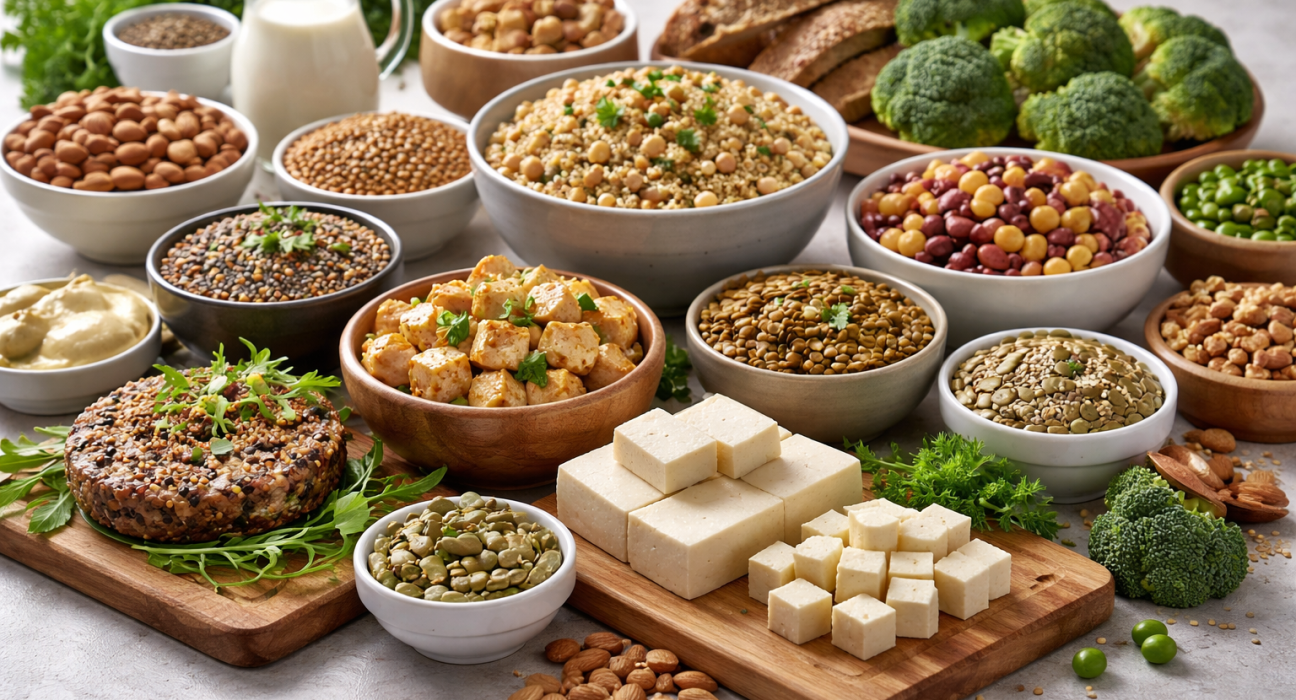
New dietary guidance from the American Heart Association, reported by Reuters, is encouraging people to replace red and processed meats with plant-based protein sources such as beans, lentils, nuts, and legumes. The recommendation reflects growing scientific consensus linking diet patterns to cardiovascular health, while also contributing to broader discussions about sustainability and long-term nutrition trends.
The guidance does not call for eliminating animal products entirely but emphasizes substitution and balance, suggesting that even partial dietary shifts can produce measurable health benefits.
What the New Recommendation Says
According to the guidance, individuals should:
- Replace red and processed meats with plant-based protein options
- Choose foods like lentils, chickpeas, beans, nuts, and seeds
- Incorporate more whole, minimally processed foods
- Maintain balanced nutrient intake
The recommendation is part of the organization’s broader effort to reduce risk factors associated with heart disease, which remains one of the leading causes of death globally.
Why Plant-Based Proteins Are Being Promoted
1. Cardiovascular Health Benefits
Research cited by the American Heart Association and supporting studies shows that plant-based proteins are generally associated with:
- Lower levels of saturated fat
- Reduced cholesterol intake
- Improved blood pressure
- Lower risk of heart disease
In contrast, high consumption of processed meats and red meat has been linked in multiple studies to increased risk of cardiovascular disease and other health conditions.
2. Nutritional Profile
Plant-based proteins often contain:
- Fiber (which supports digestive health and cholesterol reduction)
- Vitamins and minerals
- Antioxidants
However, they may require careful combination to ensure adequate intake of certain nutrients like:
- Vitamin B12
- Iron (in bioavailable form)
- Complete amino acids
Nutrition experts emphasize that a well-planned plant-based diet can meet these needs.
3. Broader Health Trends
The recommendation aligns with broader dietary trends observed in recent years:
- Increased interest in plant-based diets
- Growth of alternative protein products
- Greater awareness of diet-related health risks
Organizations such as the World Health Organization and Harvard T.H. Chan School of Public Health have also supported similar dietary patterns emphasizing plant-forward eating.
Environmental and Economic Context
Although the Reuters article focuses primarily on health, plant-based diets are also frequently associated with environmental considerations.
Studies have shown that plant-based foods generally require:
- Less land
- Less water
- Fewer greenhouse gas emissions
compared to animal-based protein production.
This has led to increased interest in plant-based diets as part of sustainability efforts, though the American Heart Association’s guidance is centered on health outcomes rather than environmental policy.
Industry and Market Implications
The recommendation could have ripple effects across multiple industries:
Food Industry
- Increased demand for plant-based products
- Expansion of alternative protein markets
- Reformulation of processed foods to align with health guidance
Agriculture
- Potential shifts toward crops used for plant proteins
- Changes in demand for livestock products
Healthcare
- Greater emphasis on preventive nutrition
- Potential reduction in diet-related chronic diseases over time
Pros (Benefits of the Recommendation)
• Improved heart health: Strong evidence links plant-based diets to reduced cardiovascular risk
• Lower cholesterol and blood pressure: Reduced intake of saturated fats
• Increased nutrient diversity: Higher intake of fiber and plant-based nutrients
• Flexibility: Encourages substitution rather than strict elimination
Cons (Challenges and Criticisms)
• Nutritional planning required: Certain nutrients may need careful attention
• Accessibility concerns: Not all communities have equal access to diverse plant-based foods
• Cultural and dietary preferences: Meat consumption is deeply embedded in many traditions
• Processed alternatives: Some plant-based products can be highly processed and not necessarily healthier
Future Projections
1. Continued Growth of Plant-Based Diets
Public health campaigns and consumer demand are likely to drive further adoption.
2. Food Industry Innovation
Companies may develop new plant-based products with improved nutritional profiles.
3. Healthcare Integration
Doctors and health systems may increasingly recommend dietary changes as part of preventive care.
4. Policy Discussions
Governments may consider dietary guidelines that incorporate both health and environmental factors.
5. Balanced Diet Approach
Rather than full dietary shifts, many individuals may adopt hybrid diets that combine plant-based and animal-based foods.
Conclusion
The American Heart Association’s recommendation to favor plant-based proteins reflects a growing body of research linking diet to long-term health outcomes. While not advocating for complete elimination of meat, the guidance emphasizes substitution and balance as practical steps toward improving cardiovascular health.
As dietary habits evolve, the intersection of health, sustainability, and consumer preferences will likely continue shaping how people approach food choices in the future.
References
Primary Source
- Reuters – American Heart Association urges shift toward plant-based proteins
https://www.reuters.com/business/healthcare-pharmaceuticals/american-heart-association-urges-people-favor-plant-based-proteins-replace-full-2026-03-31/
Additional Context Sources
- American Heart Association dietary guidelines
- World Health Organization research on diet and health
- Harvard T.H. Chan School of Public Health nutrition studies