Article Breakdown (Neutral, Fact-Based)
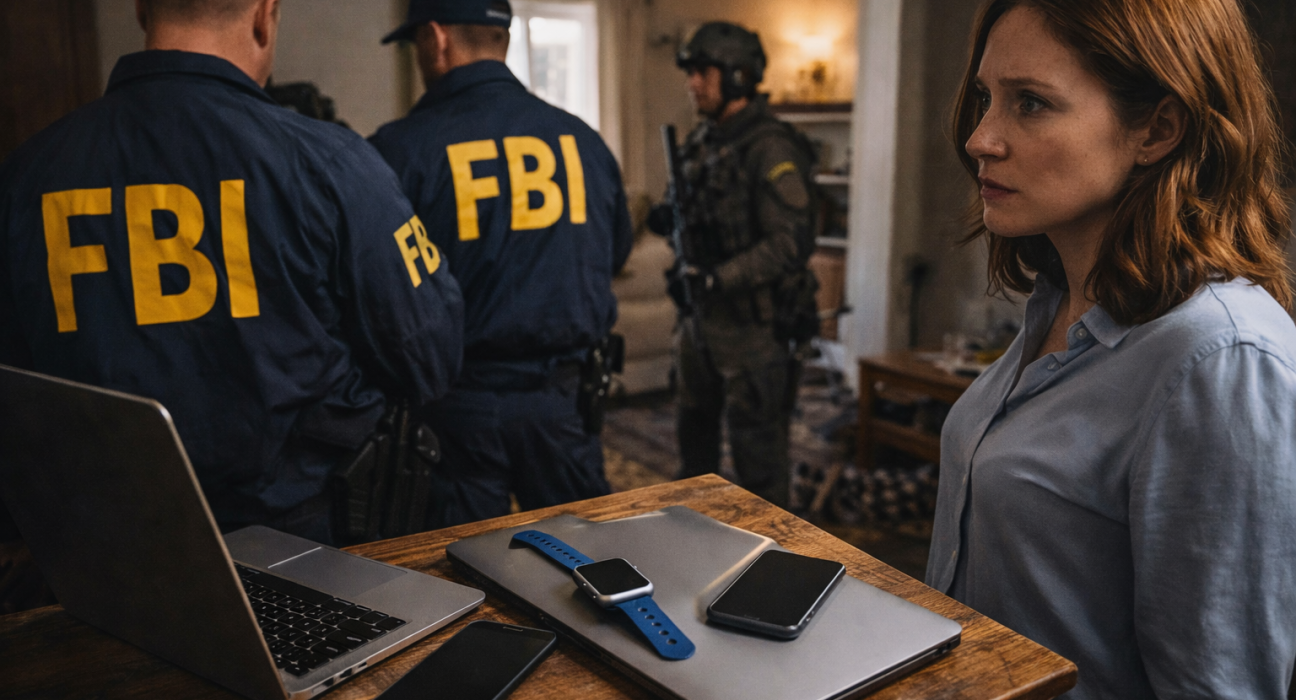
On January 14, 2026, Federal Bureau of Investigation agents executed a search warrant at the Virginia home of Washington Post journalist Hannah Natanson, seizing electronic devices including her phone, laptops, and a Garmin watch as part of an active federal investigation into the handling of classified government documents. The raid was confirmed by Attorney General Pam Bondi, who said it was carried out “at the request of the Pentagon” and tied to unauthorized leaks of classified material to the press.
Natanson, a seasoned Washington Post reporter known for her coverage of the federal workforce and the Trump administration’s restructuring of government agencies, was informed that she was not a target of the criminal probe. The search, however, marks a highly unusual escalation in how federal authorities pursue information leaks involving journalists, prompting concern among press freedom advocates and legal experts.
The underlying criminal case centers on Aurelio Perez-Lugones, a Maryland-based systems administrator with a top-secret security clearance, who has been charged with unlawfully retaining classified national defense information. Prosecutors allege that Perez-Lugones printed sensitive reports at work and stored them improperly, including in his lunchbox and basement. The FBI’s search of Natanson’s residence was connected to this investigation because Natanson’s reporting had involved information provided by sources about government activities. Agents collected her devices to review communications that may relate to how classified material reached the press.
Why This Raid Is Significant
While leak investigations are not uncommon — federal authorities occasionally scrutinize unauthorized disclosures of classified information — searching a journalist’s home and seizing her personal and work devices is exceptionally rare. Previous practice in the U.S., including under both Republican and Democratic administrations, generally avoided such direct incursions to protect press freedom and confidential sourcing.
Legal guidelines — long supported by journalism organizations and some prosecutors — had limited the use of search warrants or subpoenas against journalists precisely to avoid chilling effects on reporting and to uphold First Amendment protections. In 2025, Attorney General Bondi reversed a Biden-era policy that offered stronger safeguards for journalists’ communications in leak investigations, restoring broader authority for prosecutors to compel access to reporters’ records and devices in certain cases. Critics contend that this change made the 2026 raid possible.
Arguments Supporting the Government’s Actions
U.S. officials, including the Department of Justice and Pentagon spokespeople, frame the raid as a necessary step to enforce national security laws and protect classified information that, if disseminated unlawfully, could harm military personnel, intelligence operations, or diplomatic efforts. Bondi’s public remarks on social media emphasized that the administration “will not tolerate illegal leaks of classified information,” portraying the action as part of broader efforts to deter unauthorized disclosures.
Proponents argue that when journalists receive classified material that originated from government insiders, especially without authorization, it may be appropriate to investigate the source of the leak and any potential legal breaches, including improper handling or retention of sensitive documents.
Concerns About Press Freedom and Democratic Accountability
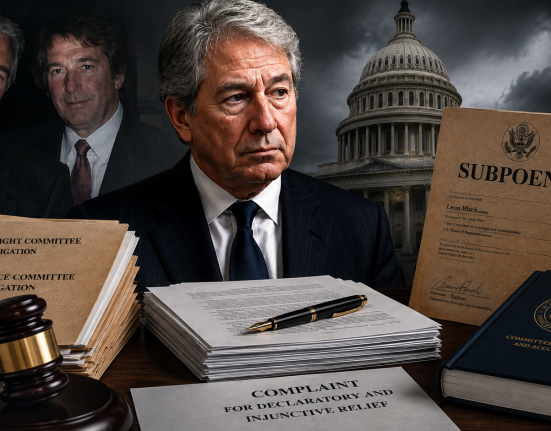
Press freedom advocates and civil liberties organizations responded quickly and vocally, warning that the home search constitutes a serious escalation in government intrusion into journalistic practice. Groups such as the Reporters Committee for Freedom of the Press and the Knight First Amendment Institute stressed that forcing newsrooms and individual reporters to turn over devices can deter sources from speaking to journalists — particularly on matters of public interest that involve wrongdoing or policy failures.
These concerns are amplified by the perceived trend of increased federal scrutiny and legal pressure on journalists under the current administration. Critics argue that even if Natanson was not the target, the breadth of the seizure — including personal devices — raises substantial privacy and free-speech questions. They contend that such searches are more characteristic of illiberal regimes than democratic norms, where protections for investigative journalism serve as a check on government power.
Legal experts also note that the absence of a publicly released affidavit or detailed judicial justification for the search makes it harder to assess whether the government met the high legal thresholds traditionally required for targeting journalists, such as demonstrating that other investigative means had been exhausted.
Pros and Cons: A Balanced View
Pros (Security-Focused Perspective):
- Enforces national security measures: Federal authorities are upholding laws against unauthorized retention and disclosure of classified information.
- Signals seriousness about leaks: The government asserts that such actions discourage irresponsible dissemination of sensitive content that could jeopardize lives or operations.
- Reasserts prosecutorial authority: Reversal of prior protections gives prosecutors broader tools to pursue leak cases thoroughly.
Cons (Civil Liberties and Press Freedom Perspective):
- Chilling effect on journalism: Searches of newsrooms and reporters’ homes deter sources from coming forward, especially on sensitive topics.
- Threatens First Amendment protections: Direct intrusion into journalists’ spaces and devices raises constitutional concerns about freedom of the press.
- Erodes public trust: Aggressive enforcement actions against journalists can undermine confidence in institutional respect for civil liberties.
- Sets a precedent: Once normalized, such tactics could be used in broader contexts beyond national security leaks.
Future Projections
Short-Term (Weeks Ahead):
- Media organizations and civil liberties groups may pursue legal challenges or demand public disclosure of the affidavit and warrant details.
- Congress may hold hearings on press protections, leak laws, and the boundaries of executive authority in leak probes.
Medium-Term (Months):
- Newsrooms will likely invest in stronger digital security for reporters and sources, including encrypted communications and safer data storage practices.
- Journalistic organizations may push for revised federal guidelines protecting reporters against direct searches of their homes and devices.
Long-Term (Years):
- The case could shape how journalists cover national security and government leaks, potentially leading to new legal doctrines regarding press immunity or confidential sources.
- Broader public debate may influence long-term policy on balancing transparency, accountability, and national security.
References & Further Reading
AP News – FBI searches home of Washington Post reporter in classified documents probe
https://www.apnews.com/article/373bd02f4f9ea446dd71c1203da467f3
Reuters – Iranians tap Starlink to skirt internet blackout (context on aggressiveness of current administration’s policies—not directly about leak raids)
https://www.reuters.com/business/media-telecom/iranians-tap-musks-starlink-skirt-internet-blackout-sources-say-2026-01-12/
Reddit summaries of press freedom reaction (context on scope and reaction)
https://www.reddit.com/r/law/comments/1qcp171/
The Guardian – FBI raids home of Washington Post reporter in ‘highly unusual and aggressive’ move
(Paraphrased via summary reports)